Climate change is no longer a distant environmental threat — it is now one of the strongest drivers of global displacement. When droughts, floods, and heatwaves collide with conflict, fragile economies collapse, food supplies vanish, and families are forced to flee. This intersection — known as the climate–conflict nexus — is reshaping humanitarian response in 2025 and defining the next decade of global aid.
The result is a new kind of refugee: the climate-conflict displaced, who face two crises at once.
The Rising Tide: Why Climate and Conflict Now Collide
Across Africa, the Middle East, and South Asia, climate shocks are accelerating instability.
According to the UN Office for the Coordination of Humanitarian Affairs (OCHA), over 300 million people now require humanitarian assistance — with climate extremes acting as a multiplier of conflict and displacement.
🔗 OCHA – Global Humanitarian Overview (Working Link): https://gho.unocha.org/
Recent data shows:
- Extreme weather events displace an average of 21.5 million people per year (UNHCR).
- Conflict zones — such as Gaza, Sudan, Yemen, and Somalia — are hit harder because they lack resilient infrastructure.
- By 2050, climate impacts could forcibly move 216 million people inside their own countries (World Bank).
Climate change doesn’t cause conflict, but it intensifies every existing pressure: scarcity, inequality, and political stress.
Climate Refugees: A Humanitarian Category That Still Has No Legal Definition
Despite growing numbers, “climate refugee” is not yet recognized under international law.
The UNHCR warns that people displaced by climate shocks often receive less protection and fewer rights because they do not fit into traditional refugee categories.
🔗 UNHCR – Climate Change & Disaster Displacement: https://www.unhcr.org/climate-change
This gap means millions fall through the cracks — particularly in conflict-affected regions where climate disasters force already vulnerable populations to move again and again.
Where Climate and Conflict Intersect Most Severely (2025 Hotspots)
Gaza
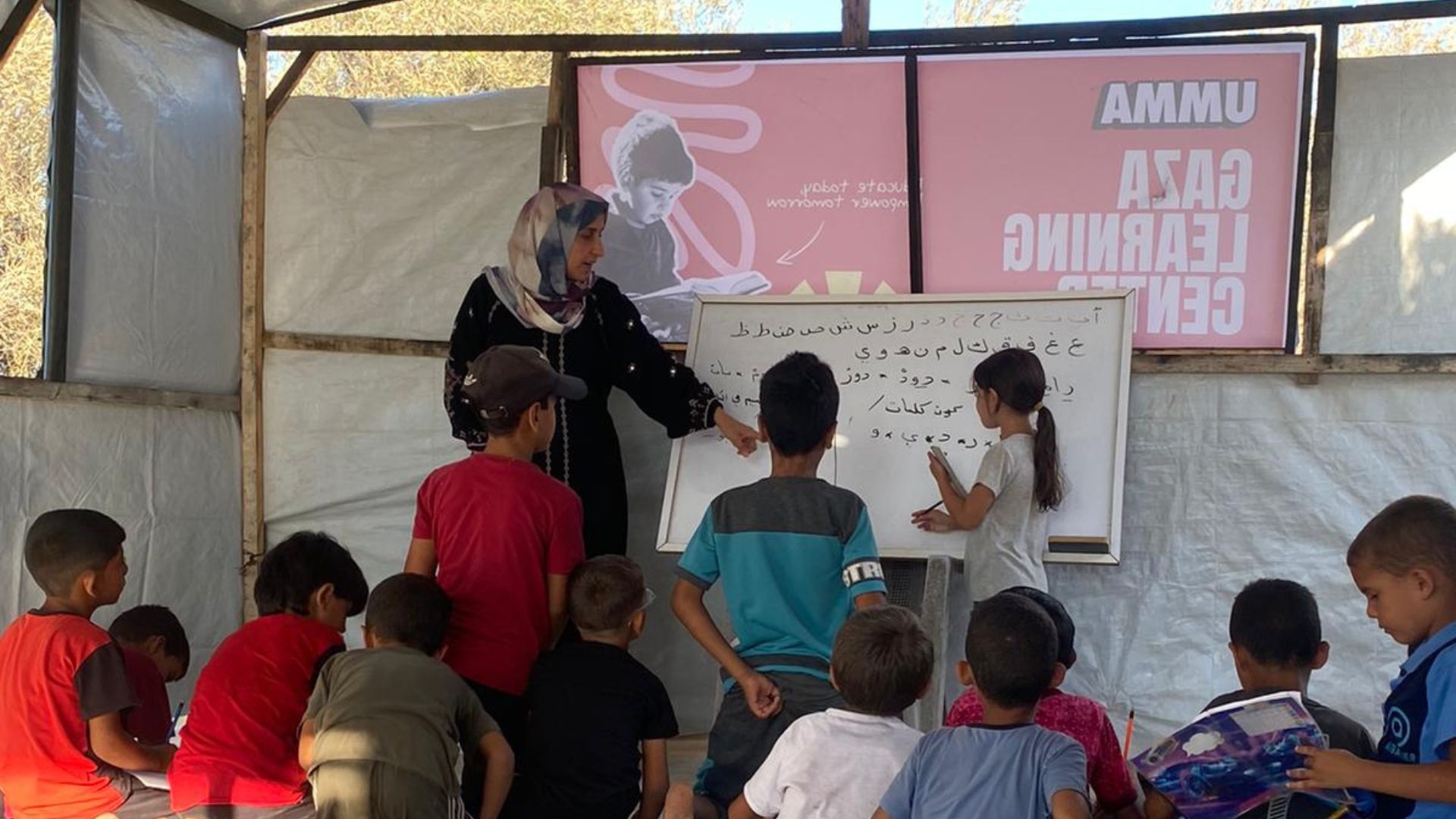
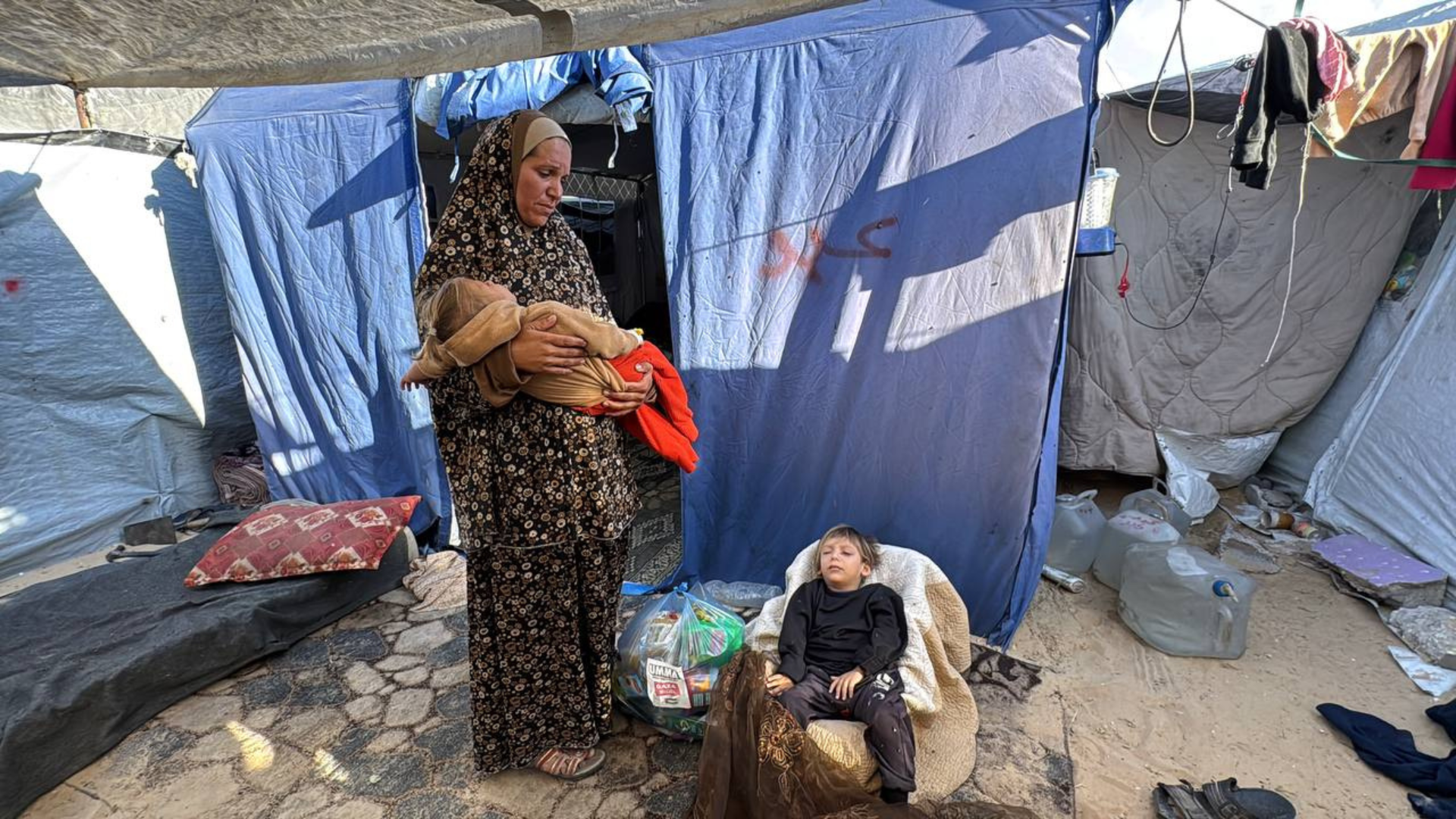
Climate vulnerability has worsened with the destruction of water systems. Dust storms and heatwaves magnify humanitarian needs, forcing families to migrate internally.
Sudan
The war intersects with recurring droughts and floods, destroying crops and pushing more people into displacement camps. Sudan now faces one of the world’s fastest-growing displacement crises.
Yemen
Water scarcity — intensified by rising temperatures — fuels local conflict. 8 out of 10 Yemenis rely entirely on humanitarian aid for survival.
Horn of Africa
Ethiopia, Somalia, and Kenya face alternating droughts and floods, causing crop failures and massive livestock loss, forcing pastoralist communities to move.
In all these regions, climate stress merges with violence — producing multi-layered humanitarian emergencies.
Climate-Driven Migration: What the Data Shows
The World Bank’s Groundswell Report finds that climate change could trigger internal displacement numbers unseen in modern history:
- 216 million internally displaced by 2050 without urgent climate action.
- South Asia, the Middle East, and Sub-Saharan Africa are the most impacted.
🔗 World Bank – Groundswell Report (Working Link): https://www.worldbank.org/en/topic/climatechange/publication/groundswell
Meanwhile, The New Humanitarian reports that 2025’s most severe humanitarian needs are in areas where climate shocks meet conflict.
🔗 The New Humanitarian – 2025 Trends: https://www.thenewhumanitarian.org/
This convergence creates recurring cycles:
Climate shock → resource scarcity → tension → conflict → displacement → vulnerability to new climate shocks.
Humanitarian Response: Why Local Actors Lead the Way
International systems struggle to keep pace with climate-intensified crises.
But local organizations — faith-based groups, community networks, local NGOs — often respond faster and more effectively.
According to OCHA’s localization research, local responders provide over 60% of frontline assistance in crises.
🔗 OCHA / ReliefWeb – Localisation Report : https://www.unocha.org/localizationunocha.org
Their advantages:
- Better cultural understanding
- Faster mobilization
- Deep community trust
- Lower operational costs
- Ability to remain when international agencies withdraw
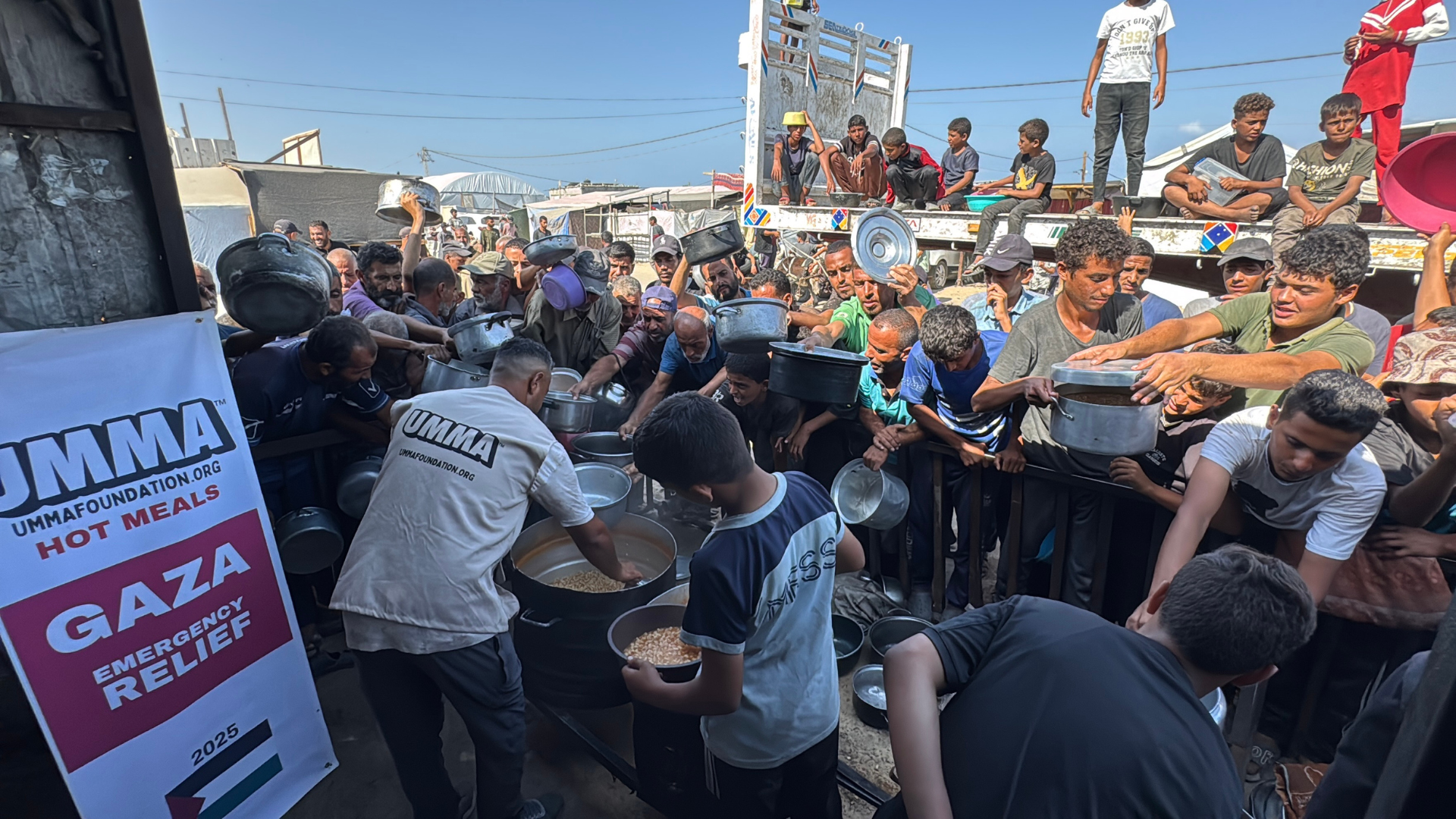
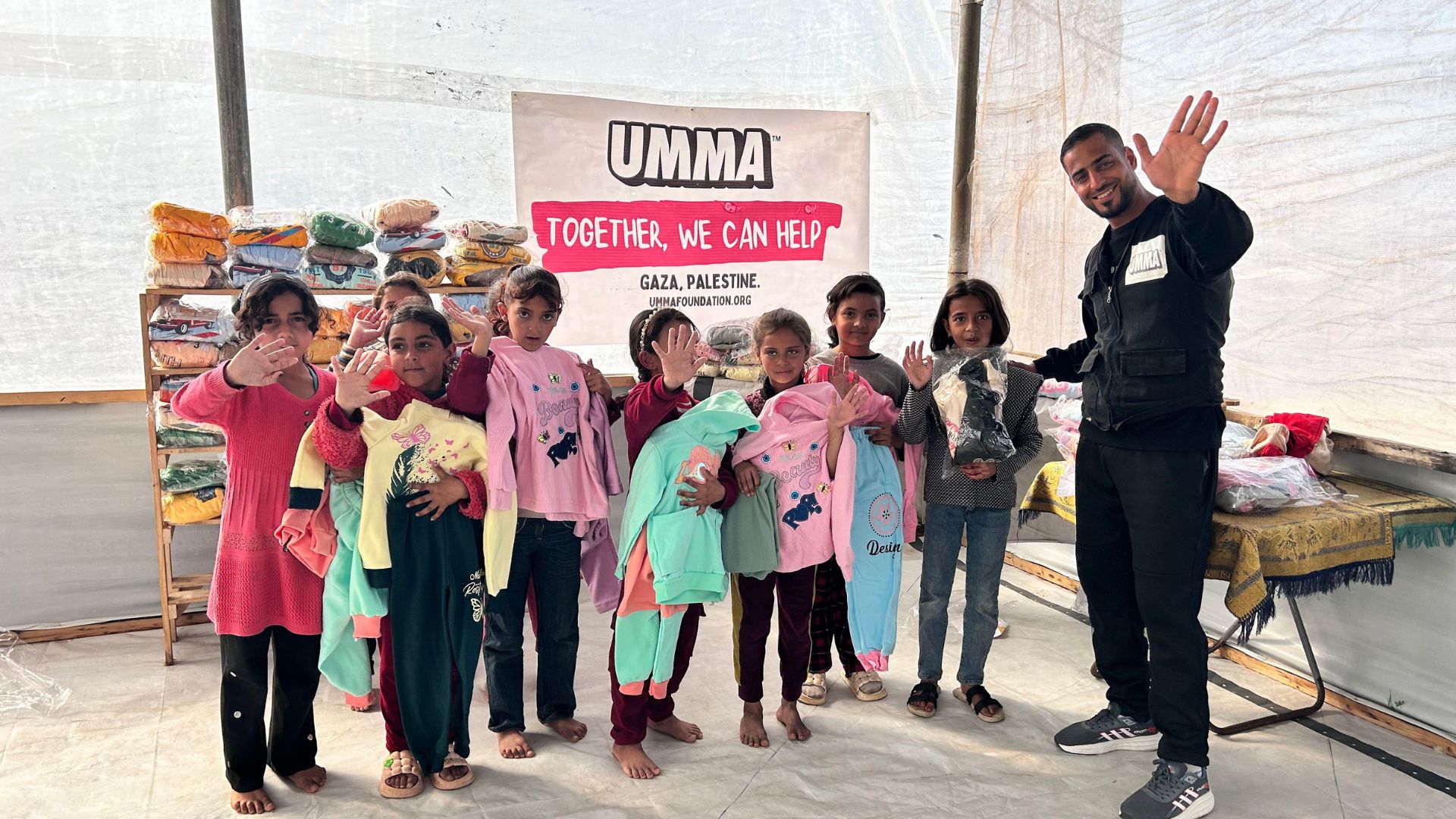
This is where Umma Foundation plays a critical role — empowering trusted local partners in Gaza, Sudan, Yemen, and beyond.
👉 Umma Foundation Campaigns: https://www.ummafoundation.org/campaigns/hot-meals-for-gaza-a-lifeline-in-the-midst-of-crisis
Water: The Frontline of the Climate–Conflict Nexus
Water scarcity is becoming the most dangerous climate pressure point in conflict zones.
According to UNICEF:
- Half of the world’s children live in areas of high water scarcity.
- Water-related shocks (droughts, contaminated supplies) are the leading cause of displacement for families in conflict zones.
🔗 UNICEF – Water Scarcity (Working Link): https://www.unicef.org/wash/water-scarcity
In conflict zones like Gaza and Yemen, destroyed water infrastructure transforms climate stress into a humanitarian catastrophe.
Without clean water, families face disease, dehydration, and forced migration.
Umma Foundation’s water relief programs — including emergency tank refills, desalinated water delivery, and hygiene support — are vital lifelines.
Food Security Under Climate Stress
The Global Network Against Food Crises warns that 2025 will see unprecedented hunger in conflict-climate hotspots.
🔗 GNAC – 2024 Food Crisis Report:
https://www.fsinplatform.org/global-report-food-crises-2024
Key pressures:
- Climate shocks reduce harvest yields
- Conflict disrupts supply chains
- Inflation raises food prices
- Families resort to displacement in search of survival
More than 280 million people face acute food insecurity — most in climate-conflict regions.
What Faith-Based Humanitarian Organizations Can Do
Islamic values place strong emphasis on care for the vulnerable, stewardship of the environment, and responsibility to protect life.
Faith-based organizations like Umma Foundation can:
- Support climate-resilient livelihoods
- Strengthen local water systems
- Fund emergency shelters for displaced families
- Provide cash assistance for adaptive needs
- Deliver community-based health and education services
- Invest in long-term resilience, not only crisis response
Give Monthly → https://www.ummafoundation.org/give-monthly
Financial Disclosure → https://www.ummafoundation.org/disclosure/financial-disclosure
FAQs
What is a climate refugee?
A person displaced primarily because of climate-related stress (e.g., drought, flood). Currently not recognized under international refugee law.
Why are climate impacts worst in conflict zones?
Because conflict destroys infrastructure, governance, and essential services — reducing the ability to adapt.
How can donors help?
Support organizations working with local partners, providing water, food, and long-term resilience.
Conclusion: Protecting the Future by Acting Today
The climate–conflict nexus is no longer a theoretical concept — it is now shaping the lives of millions.
When climate extremes strike conflict-affected regions, families lose not only their homes, but also their safety, livelihoods, and hope.
Humanitarian action must evolve with this reality:
localized, climate-aware, and rooted in dignity.
Your support strengthens those efforts.
👉 Join Umma’s Humanitarian Campaigns
https://www.ummafoundation.org/campaigns/hot-meals-for-gaza-a-lifeline-in-the-midst-of-crisis
🤝 Give Monthly
https://www.ummafoundation.org/give-monthly
📖 Financial Disclosure
https://www.ummafoundation.org/disclosure/financial-disclosure