When Is Ramadan 2026?
Ramadan 2026 is expected to begin on the evening of Friday, February 27, 2026 (1st Ramadan 1447 AH), depending on the moon sighting in your region. The month lasts 29 or 30 days, with Eid al-Fitr expected around Saturday, March 28 or Sunday, March 29, 2026.
The exact dates depend on the sighting of the crescent moon (hilal). Some communities follow local sighting, while others follow global sighting or astronomical calculations.
What Is Ramadan?
Ramadan is the ninth month of the Islamic (Hijri) calendar. It is the holiest month in Islam — the month in which the Quran was first revealed to Prophet Muhammad (peace be upon him).
"The month of Ramadan in which was revealed the Quran, a guidance for mankind and clear proofs of guidance and criterion." (Quran 2:185)
During Ramadan, Muslims worldwide fast from dawn (Fajr) to sunset (Maghrib), abstaining from food, drink, and other physical needs. But Ramadan is far more than abstaining from food — it's a month of spiritual renewal, increased worship, generosity, and community.
Fasting Rules: What You Need to Know
Who Must Fast?
- Every adult Muslim who is mentally and physically able
- Both men and women (with exemptions below)
- Children are not obligated but may practice to build the habit
Exemptions From Fasting
- Travelers: May break fast and make up days later
- Pregnant or nursing mothers: If fasting poses health risk (scholars differ on whether to make up days or pay fidya)
- Menstruating women: Must break fast and make up days later
- Elderly or chronically ill: Pay fidya (feed one person per missed day) if unable to fast
- Children: Not obligated until puberty
What Breaks the Fast?
- Eating or drinking intentionally
- Smoking
- Intentional vomiting
- Sexual relations during fasting hours
What Does NOT Break the Fast?
- Eating or drinking by mistake (forgetfulness)
- Unintentional vomiting
- Brushing teeth (without swallowing water/toothpaste)
- Blood tests or injections (non-nutritional)
- Swallowing saliva
Suhoor and Iftar: The Daily Rhythm
Suhoor (pre-dawn meal): Eaten before Fajr prayer. The Prophet (peace be upon him) said: "Eat suhoor, for in suhoor there is blessing." (Bukhari & Muslim)
Iftar (breaking the fast): At sunset (Maghrib time). The Sunnah is to break fast with dates and water: "When one of you breaks his fast, let him break it with dates. If he cannot find dates, then with water, for it is pure." (Abu Dawud)
Spiritual Practices During Ramadan
Taraweeh Prayers
Special nightly prayers performed in congregation after Isha prayer. Typically 8 or 20 rak'ahs, with the entire Quran recited over the course of the month.
Quran Recitation
Ramadan is the month of the Quran. Many Muslims aim to complete at least one full reading of the Quran during the month.
I'tikaf
Spiritual retreat in the mosque during the last 10 days of Ramadan. The person stays in the mosque for worship, reflection, and seeking Laylatul Qadr (the Night of Power).
Charity and Generosity
The Prophet (peace be upon him) was the most generous during Ramadan. Muslims are encouraged to give abundantly — zakat, sadaqah, feeding the fasting, and sadaqah jariyah (ongoing charity).
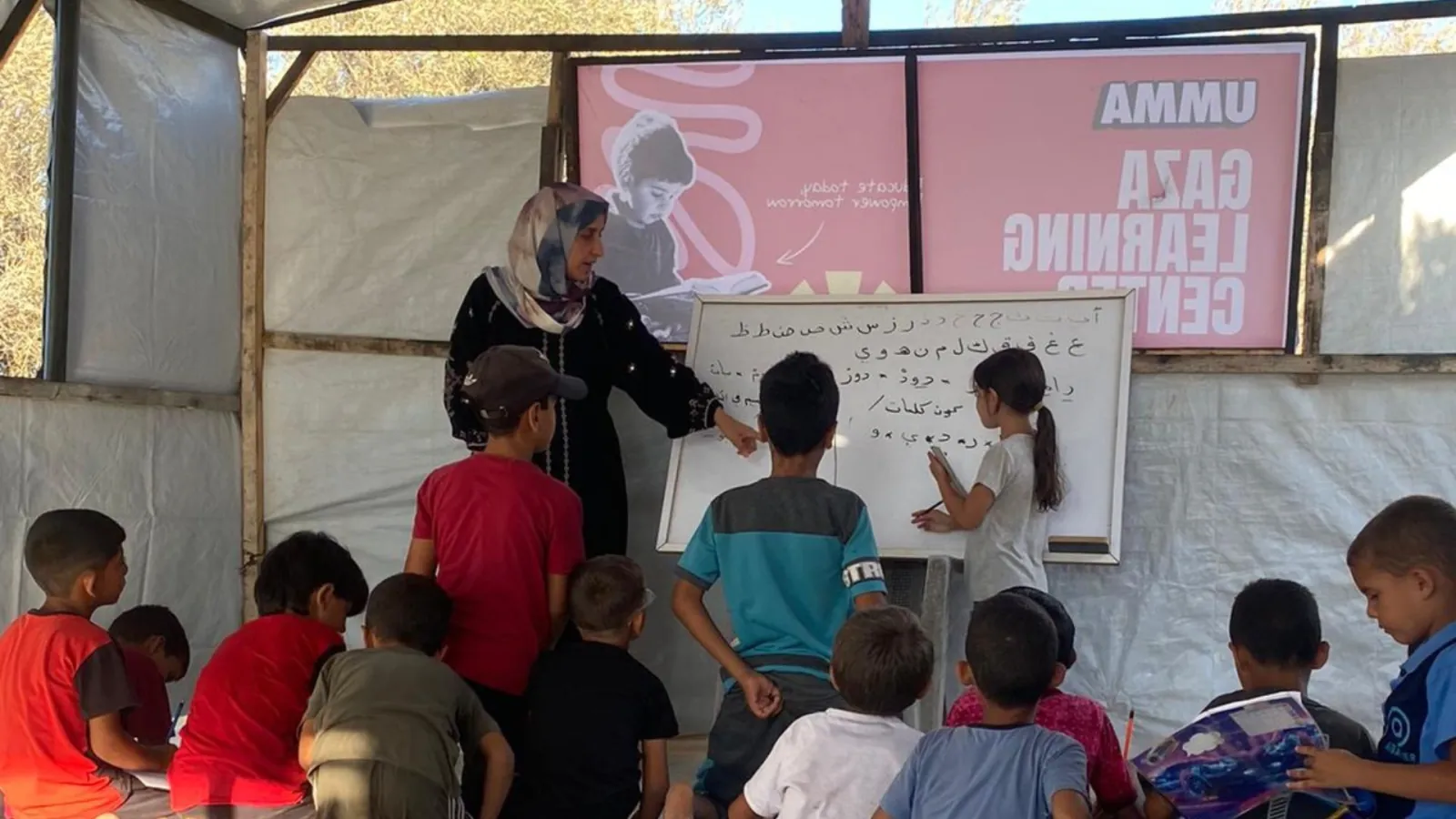
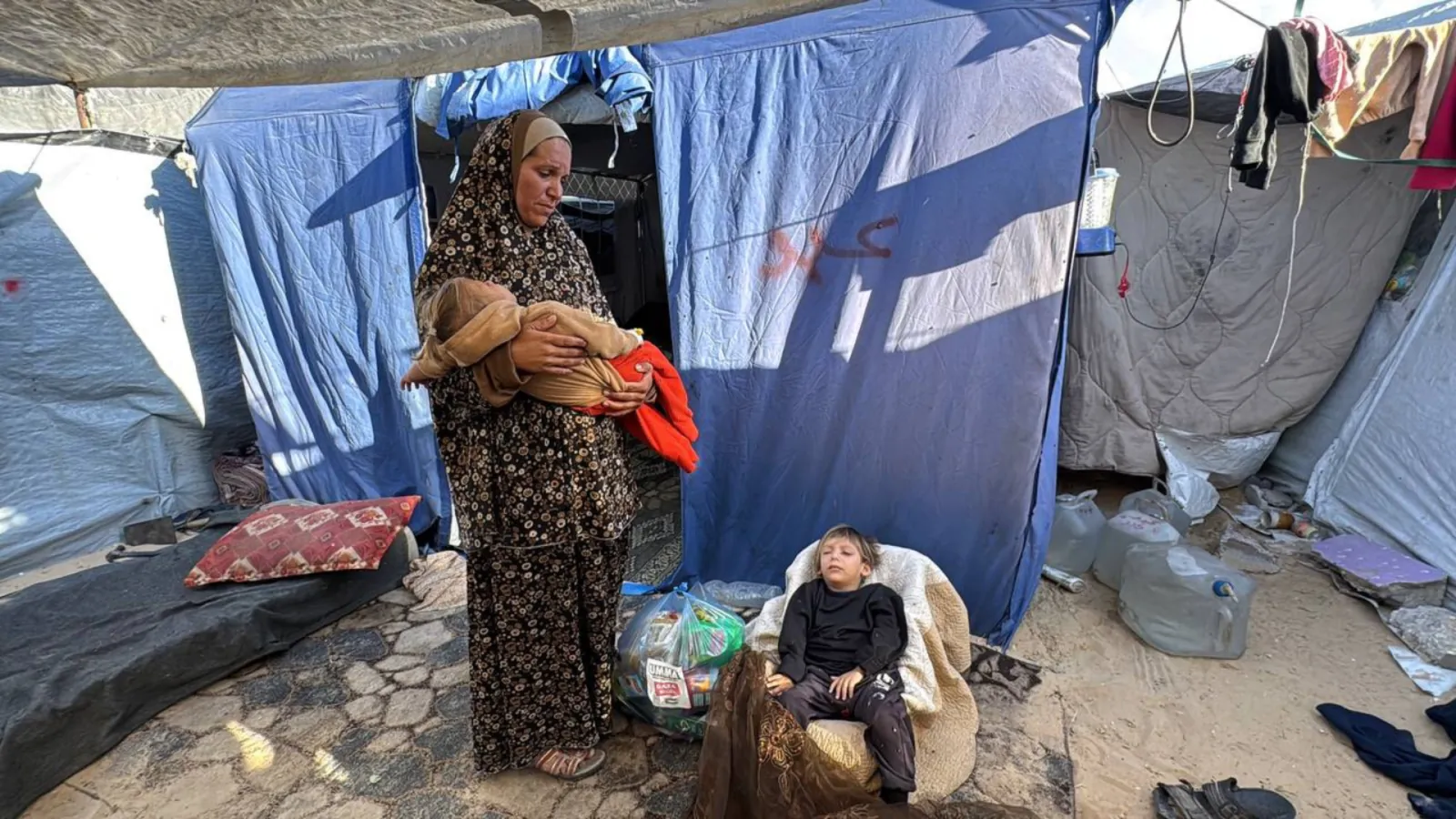
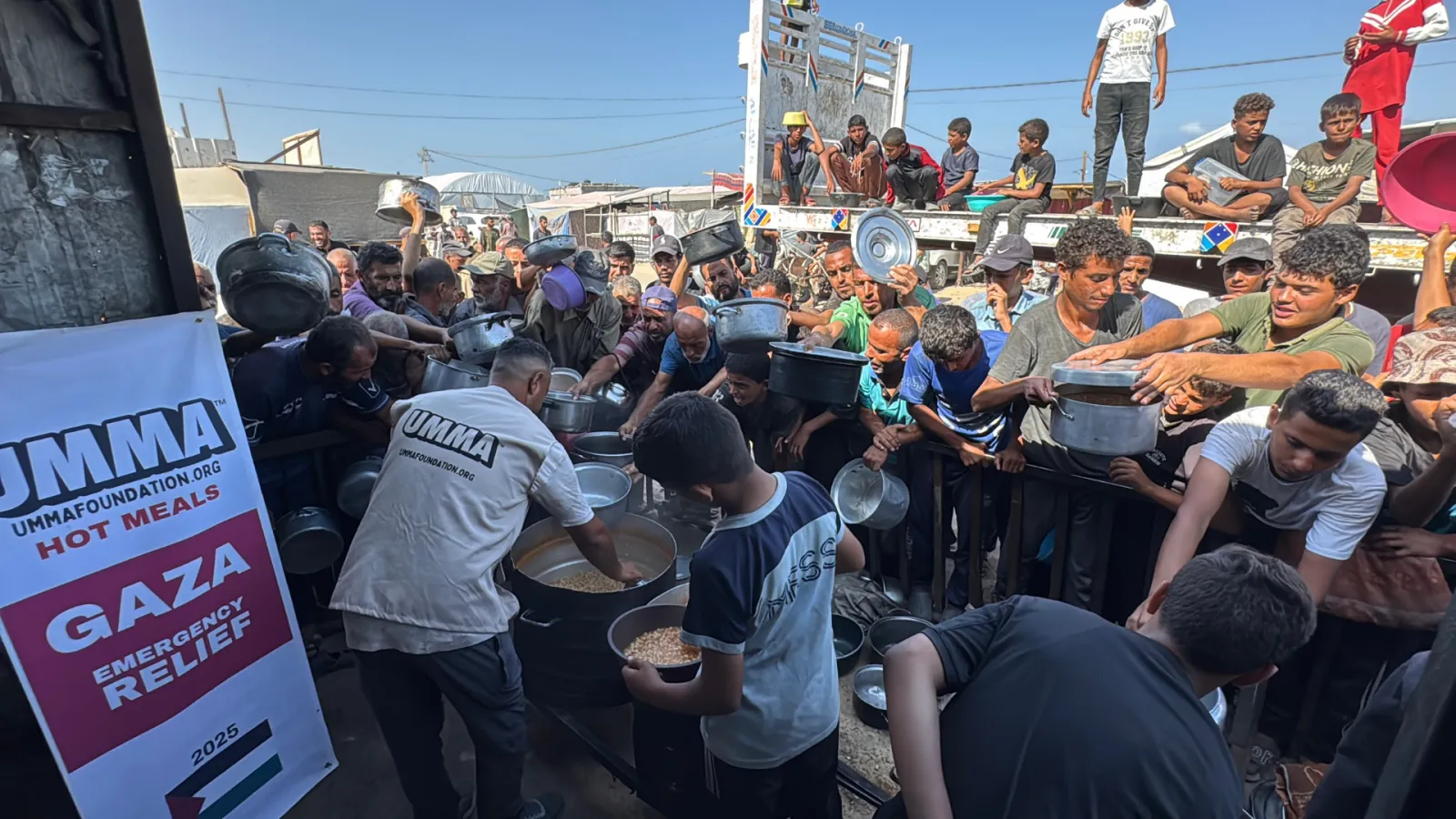
Umma Foundation runs emergency relief campaigns during Ramadan — delivering iftar meals, water, and essential supplies to families in Gaza, Sudan, Yemen, and Lebanon.
Laylatul Qadr: The Night of Power
"Indeed, We sent it down during the Night of Power. And what can make you know what the Night of Power is? The Night of Power is better than a thousand months." (Quran 97:1-3)
Laylatul Qadr falls on one of the odd nights in the last 10 days of Ramadan (21st, 23rd, 25th, 27th, or 29th). A single deed on this night is rewarded as if performed for over 83 years.
Zakat al-Fitr
Before Eid prayer, every Muslim must pay Zakat al-Fitr — approximately $15-$20 per person in the household. This ensures the poor can celebrate Eid with dignity.
How to Make This Ramadan Count
- Set daily Quran goals (even one page per day completes the Quran in a month if you read during all 30 days)
- Establish a giving plan — distribute sadaqah across all 30 nights, with extra during the last 10
- Feed someone — sponsor iftar meals for those in crisis through Umma Foundation's Ramadan campaigns
- Make dua consistently — Ramadan duas are accepted
- Forgive others and seek forgiveness