Zakat is more than charity. It is one of the five pillars of Islam, a spiritual obligation designed to purify wealth and strengthen communities.
Every year, Muslims around the world ask an important question:
Who can receive Zakat?
Understanding the rules of Zakat recipients is essential because Zakat must be given to specific categories defined in the Qur’an. When distributed correctly, Zakat becomes a powerful tool for social justice, helping families escape poverty, hunger, and displacement.
In this guide, we explain who can receive Zakat, the eight eligible groups mentioned in the Qur’an, and how your Zakat can support humanitarian relief through trusted organizations like Umma Foundation.
Why Understanding Who Can Receive Zakat Matters
Zakat is not general charity. Unlike voluntary donations, Zakat must be distributed according to Islamic law.
Giving Zakat correctly ensures:
- Your obligation is fulfilled properly
- Your wealth is purified
- Vulnerable people receive rightful support
- Islamic social justice is upheld
Allah clearly defines who can receive Zakat in the Qur’an:
“Zakat expenditures are only for the poor, the needy, those employed to collect it, those whose hearts are to be reconciled, to free captives, for those in debt, for the cause of Allah, and for the stranded traveler.”
— Qur’an 9:60
These eight categories remain the foundation of Zakat distribution worldwide today.
The 8 Categories of People Who Can Receive Zakat
1. The Poor (Al-Fuqara)
The poor are people who have little or no wealth and cannot meet their basic needs.
They may struggle to afford:
- food
- clothing
- housing
- healthcare
- education
In many humanitarian crises, poor families face severe hardship. According to the World Food Programme, conflict and economic instability are major drivers of global hunger.
https://www.wfp.org
Zakat plays a vital role in helping these families survive and rebuild.
2. The Needy (Al-Masakin)
The needy are people who have some income but still cannot meet essential living expenses.
For example:
- a worker earning too little to support a family
- a widow struggling to pay rent
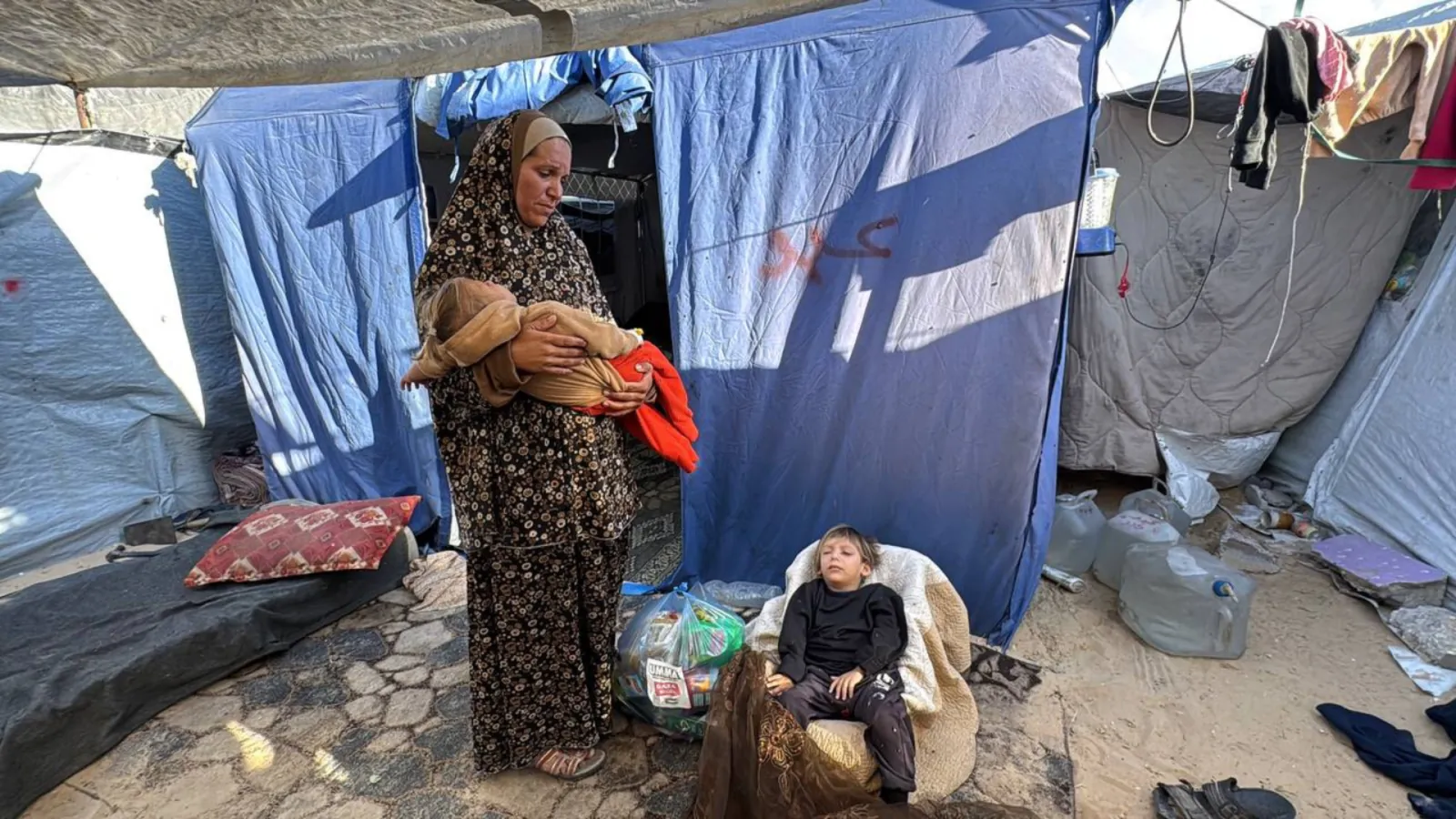
- a refugee who lost their livelihood
Many displaced families fall into this category. The UN Refugee Agency (UNHCR) reports that millions remain displaced due to conflict and economic collapse.
https://www.unhcr.org
Zakat allows communities to support these vulnerable households.
3. Zakat Administrators
This category includes individuals responsible for collecting, managing, and distributing Zakat.
These workers ensure:
- fair distribution
- accountability
- proper documentation
- delivery to eligible recipients
Transparent organizations follow strict accountability standards when managing humanitarian aid. The UN Office for the Coordination of Humanitarian Affairs (OCHA) emphasizes responsible aid coordination to ensure assistance reaches the right people.
https://www.unocha.org
4. Those Whose Hearts Are to Be Reconciled
This category refers to people whose hearts may be strengthened toward Islam or toward peaceful coexistence with the Muslim community.
Historically, this included:
- new Muslims needing support
- individuals whose cooperation helped stabilize communities
- vulnerable groups needing encouragement and assistance
Scholars differ on how this category is applied today, but its spirit reflects Islam’s emphasis on unity, reconciliation, and compassion.
5. Those in Bondage or Captivity
In classical Islamic law, this category referred to freeing enslaved individuals or captives.
Today, scholars often apply this category to modern forms of oppression, such as:
- human trafficking victims
- unjust imprisonment
- vulnerable populations needing liberation from exploitation
Zakat can help restore dignity and freedom to those trapped in hardship.
6. Those in Debt
People overwhelmed by legitimate debt they cannot repay may also receive Zakat.
Examples include:
- families facing medical debt
- individuals who lost income due to crisis
- people who borrowed money for essential survival needs
Debt relief helps restore stability and allows families to rebuild their lives.
7. In the Cause of Allah (Fi Sabilillah)
This category supports activities that serve the broader welfare of the Muslim community and humanitarian good.
Scholars interpret this in different ways, but many agree it can include:
- humanitarian relief
- community welfare initiatives
- education and social support
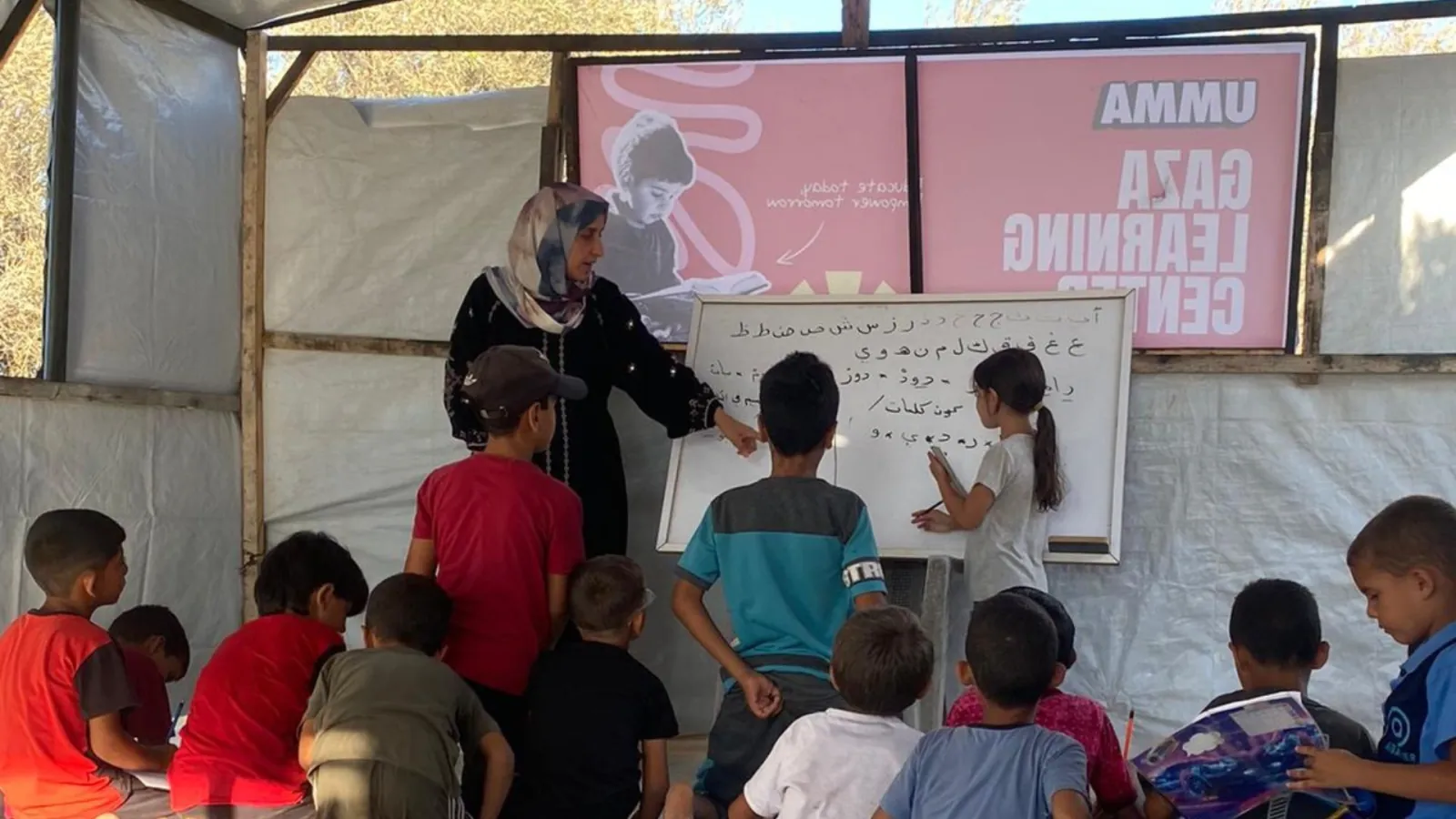
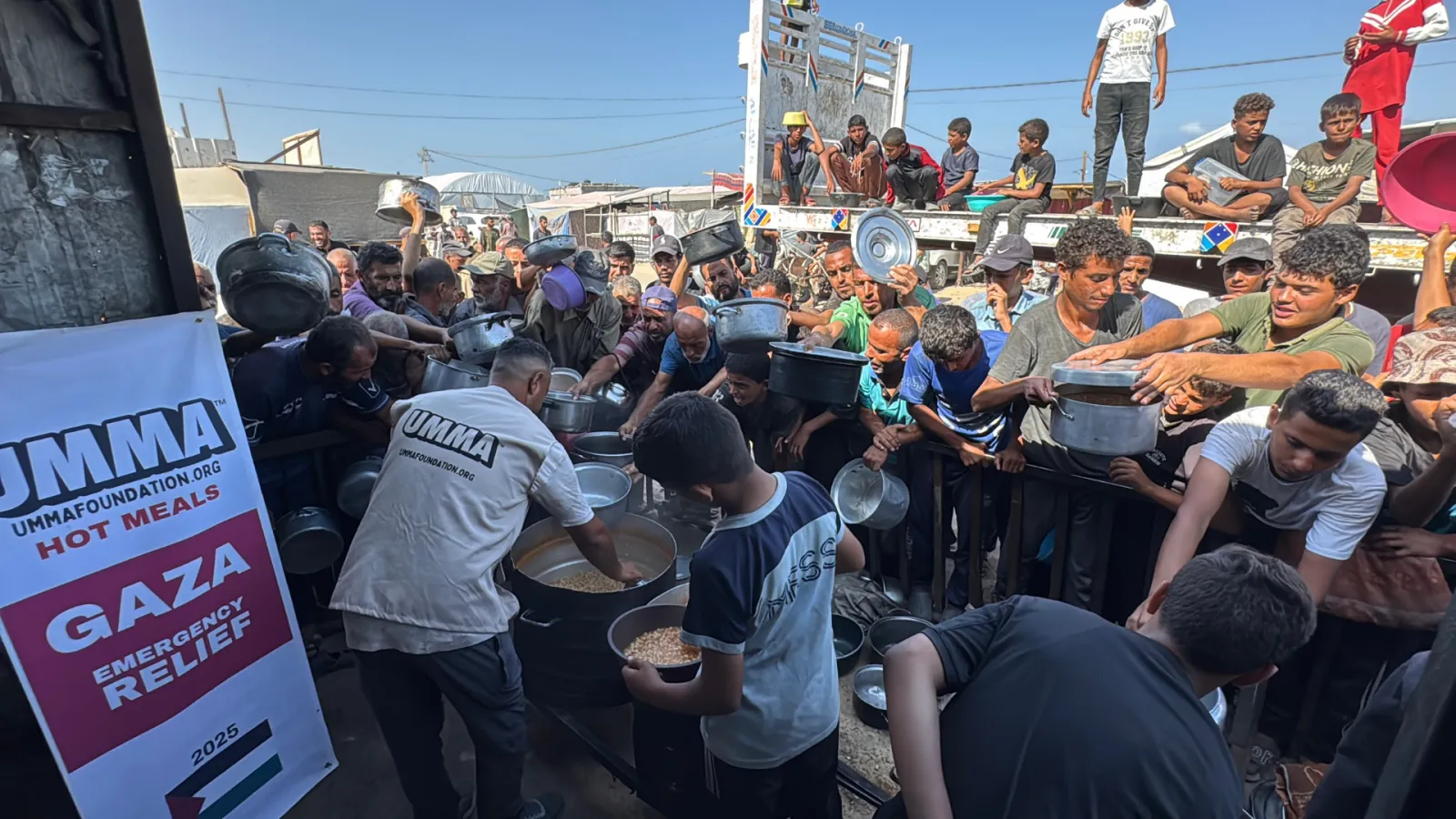
Zakat given through humanitarian organizations can support urgent relief for families affected by war, famine, and displacement.
8. The Stranded Traveler (Ibn al-Sabil)
A traveler who becomes stranded away from home without access to resources may receive Zakat.
Historically this included merchants or travelers whose wealth was lost during travel. Today it can include:
- displaced refugees
- migrants separated from resources
- individuals trapped in crisis zones
Zakat ensures these individuals are not left without help.
How Zakat Supports Humanitarian Relief Today
Today, Zakat plays a critical role in responding to global crises.
It helps provide:
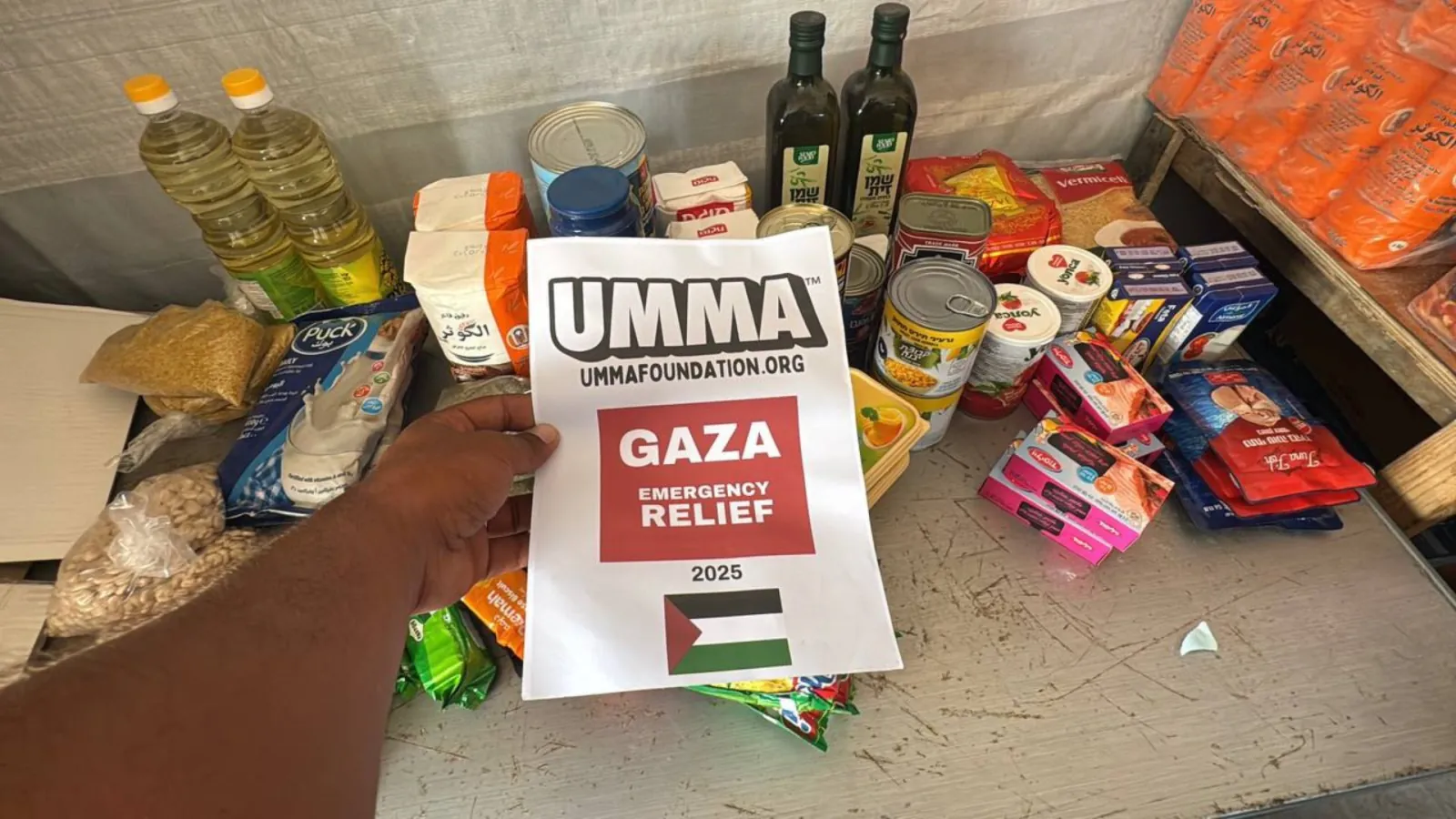
- emergency food
- clean water
- medical care
- shelter for displaced families
- support for vulnerable children
Humanitarian organizations coordinate global relief efforts to respond to crises affecting millions of people.
https://www.unocha.org
Faith-based giving remains one of the most powerful ways communities support those in need.
How Umma Foundation Distributes Zakat Responsibly
At Umma Foundation, Zakat is treated as a sacred trust.
Our approach focuses on:
- supporting eligible Zakat recipients
- delivering humanitarian relief to vulnerable communities
- maintaining transparency and accountability
- ensuring donors understand where their contributions go
You can learn more about Umma’s commitment to transparency here:
📖 Financial Disclosure
https://www.ummafoundation.org/disclosure/financial-disclosure
How You Can Give Zakat Today
When you give Zakat through a trusted organization, your contribution helps families facing urgent hardship.
👉 Explore Umma’s humanitarian campaigns
https://www.ummafoundation.org/
🤝 Give Monthly to sustain life-saving aid
https://www.ummafoundation.org/?form=FUNLFLEDLRD
Your Zakat can help provide food, medical care, and hope to families in crisis.
FAQ: Who Can Receive Zakat?
Can family members receive Zakat?
Yes, certain relatives can receive Zakat if they qualify under the categories of the poor or needy. However, Zakat cannot typically be given to parents, grandparents, children, or spouses.
Can refugees receive Zakat?
Yes. Refugees often qualify as poor, needy, or stranded travelers, making them eligible Zakat recipients.
Can Zakat be used for humanitarian aid?
Yes. Zakat can support eligible recipients in humanitarian crises, including food aid, healthcare, and shelter.
Can Zakat be given to organizations?
Zakat can be given through organizations that distribute funds to eligible recipients according to Islamic guidelines.
Conclusion: Zakat Is a System of Justice
Understanding who can receive Zakat helps ensure your giving fulfills its true purpose.
Zakat is not only about charity—it is about justice, compassion, and responsibility.
When distributed correctly, Zakat:
- supports the vulnerable
- strengthens communities
- brings dignity to those in need
If you want your Zakat to reach those who need it most:
👉 Support Umma’s humanitarian work
https://www.ummafoundation.org/
🤝 Give Monthly
https://www.ummafoundation.org/?form=FUNLFLEDLRD
📖 View Financial Disclosure
https://www.ummafoundation.org/disclosure/financial-disclosure
Together, we can turn faith into action.