When you donate to a humanitarian cause, a simple but powerful question arises:
👉 Where does my money actually go?
In a world filled with crises—from Gaza to Sudan to Yemen—trust matters more than ever. Donors want to know that their contributions are not only meaningful, but efficient, transparent, and impactful.
This guide breaks down exactly how humanitarian aid is delivered, step by step—from your donation to the moment it reaches a family in need.
What Is Humanitarian Aid?
Humanitarian aid refers to life-saving support provided during crises, including:
- Food assistance
- Medical care
- Clean water
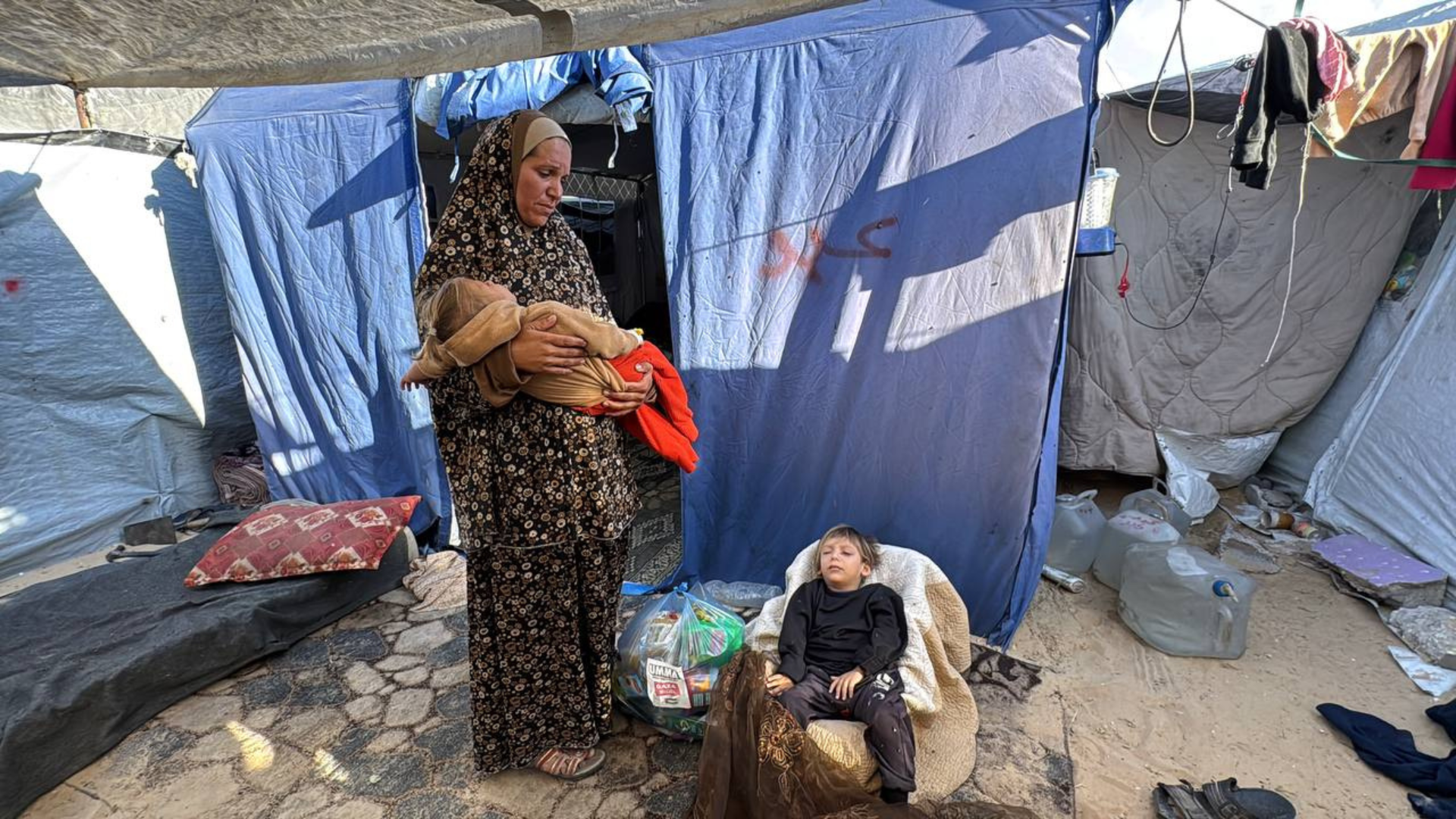
- Shelter
- Emergency relief
Organizations like the Umma Foundation work on the ground to ensure aid reaches vulnerable communities quickly and safely.
👉 Learn more about ongoing efforts:
https://www.ummafoundation.org/campaigns
Step 1: Your Donation Is Allocated
Everything begins with your decision to give.
When you donate, funds are carefully allocated based on:
- Urgency of the crisis
- Local needs assessments
- Active humanitarian programs
For example:
- A Gaza emergency appeal may prioritize food and water
- A Yemen campaign may focus on medical care for children
👉 Support current efforts:
https://www.ummafoundation.org/donate
Step 2: Needs Assessment on the Ground
Before aid is delivered, teams conduct on-the-ground assessments to answer:
- What do families need most right now?
- How many people are affected?
- What resources are accessible locally?
This ensures aid is:
✅ Relevant
✅ Efficient
✅ Not wasted
Step 3: Sourcing and Preparing Aid
Once needs are identified, aid is sourced either:
- Locally (preferred for speed and economic support)
- Regionally or internationally (when necessary)
Common aid items include:
- Food packages (rice, flour, oil, canned goods)
- Medical supplies
- Hygiene kits
- Clean water solutions
👉 Example: Bread distribution campaigns directly feed families daily.
Step 4: Logistics and Transportation
This is where complexity increases.
Aid must be transported through:
- Challenging terrain
- Border restrictions
- Conflict zones
Organizations rely on:
- Trusted local partners
- Secure supply chains
- Pre-planned logistics networks
Despite obstacles, the goal remains the same:
👉 Deliver aid quickly and safely
Step 5: Distribution to Families
This is the most important step.
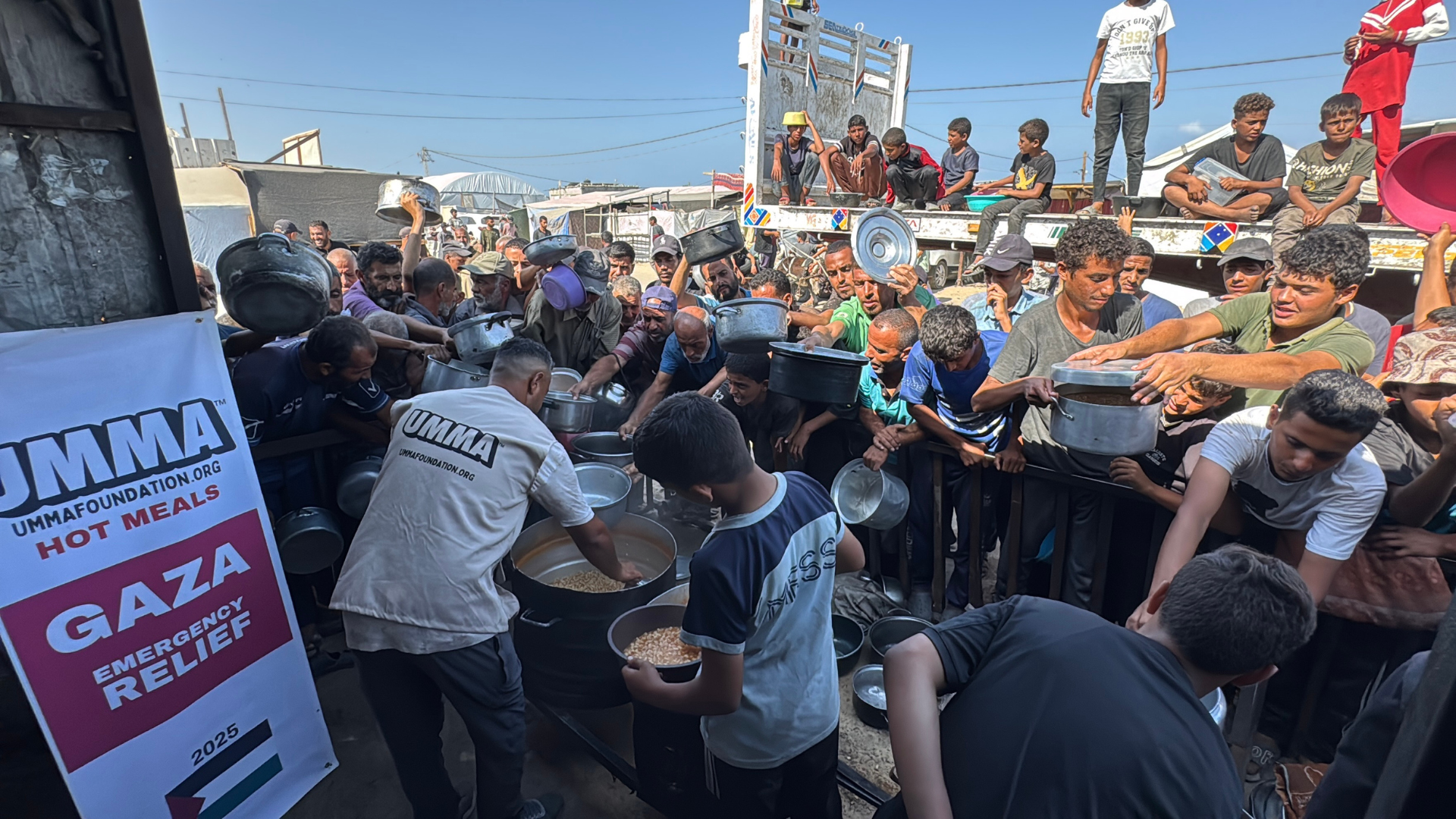
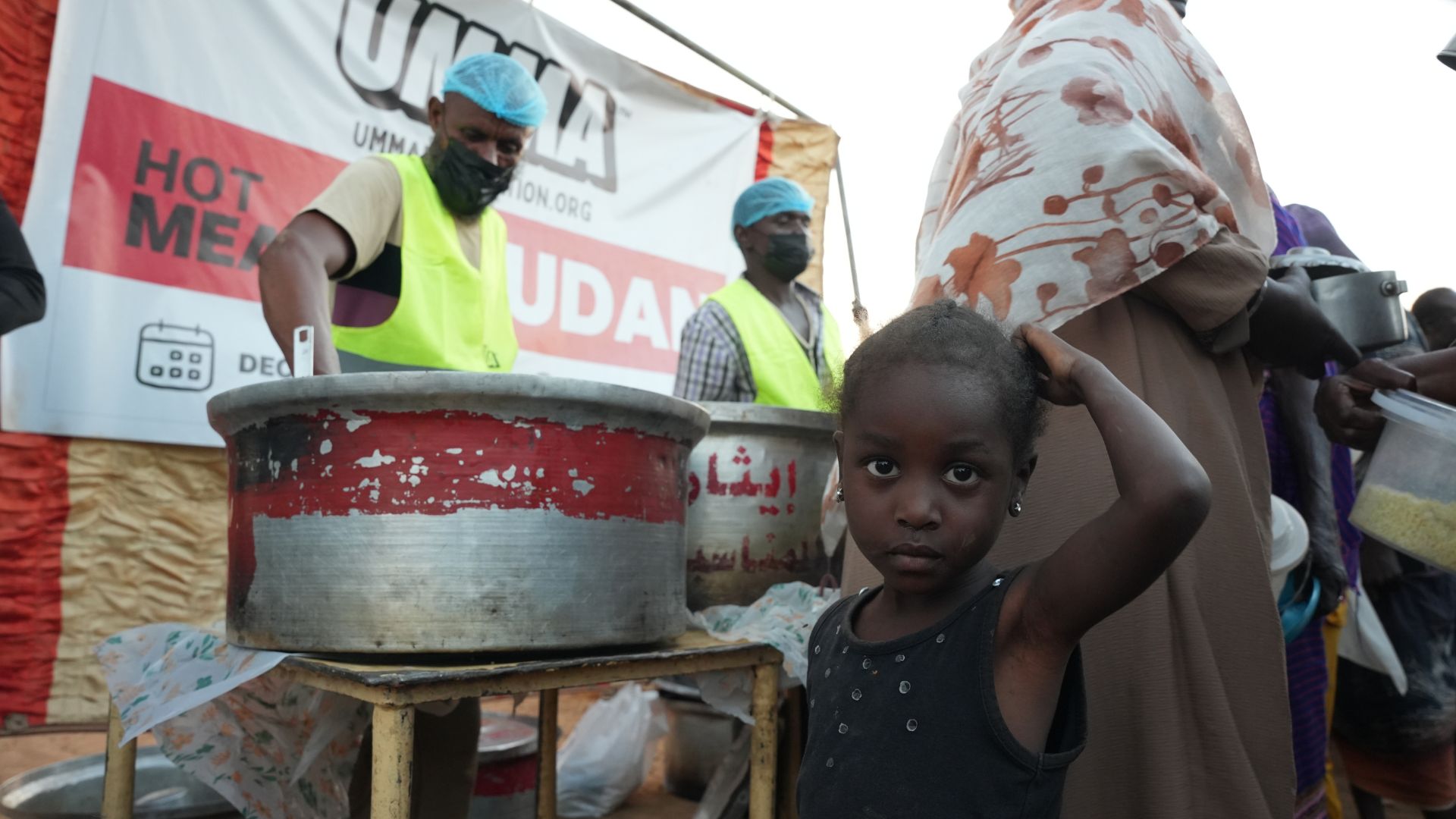
Aid is distributed directly to families through:
- Verified beneficiary lists
- Local distribution centers
- On-the-ground teams
Priority is given to:
- Widows
- Orphans
- Displaced families
- Those in extreme poverty
Step 6: Real Impact
This is where your donation becomes real.
👉 A family receives food
👉 A child gets medical care
👉 A community gains access to clean water
This is the moment where generosity turns into survival, dignity, and hope.
How Do You Know Aid Is Actually Delivered?
This is one of the most important concerns donors have.
A trustworthy humanitarian organization ensures:
- Transparent reporting
- Field updates and documentation
- Verified distribution processes
👉 Learn about transparency:
https://www.ummafoundation.org/transparency
Why Efficiency and Trust Matter
Not all charities operate the same way.
Donors should always ask:
- How much of my donation reaches people in need?
- Is aid delivered directly or through multiple intermediaries?
- Are programs sustainable?
👉 Read more:
https://www.ummafoundation.org/post/what-percentage-of-donations-go-to-charity
Beyond Emergency Aid: Long-Term Impact
While emergency relief is critical, sustainable programs also matter.
Examples include:
- Water wells
- Agricultural development (Umma Farm)
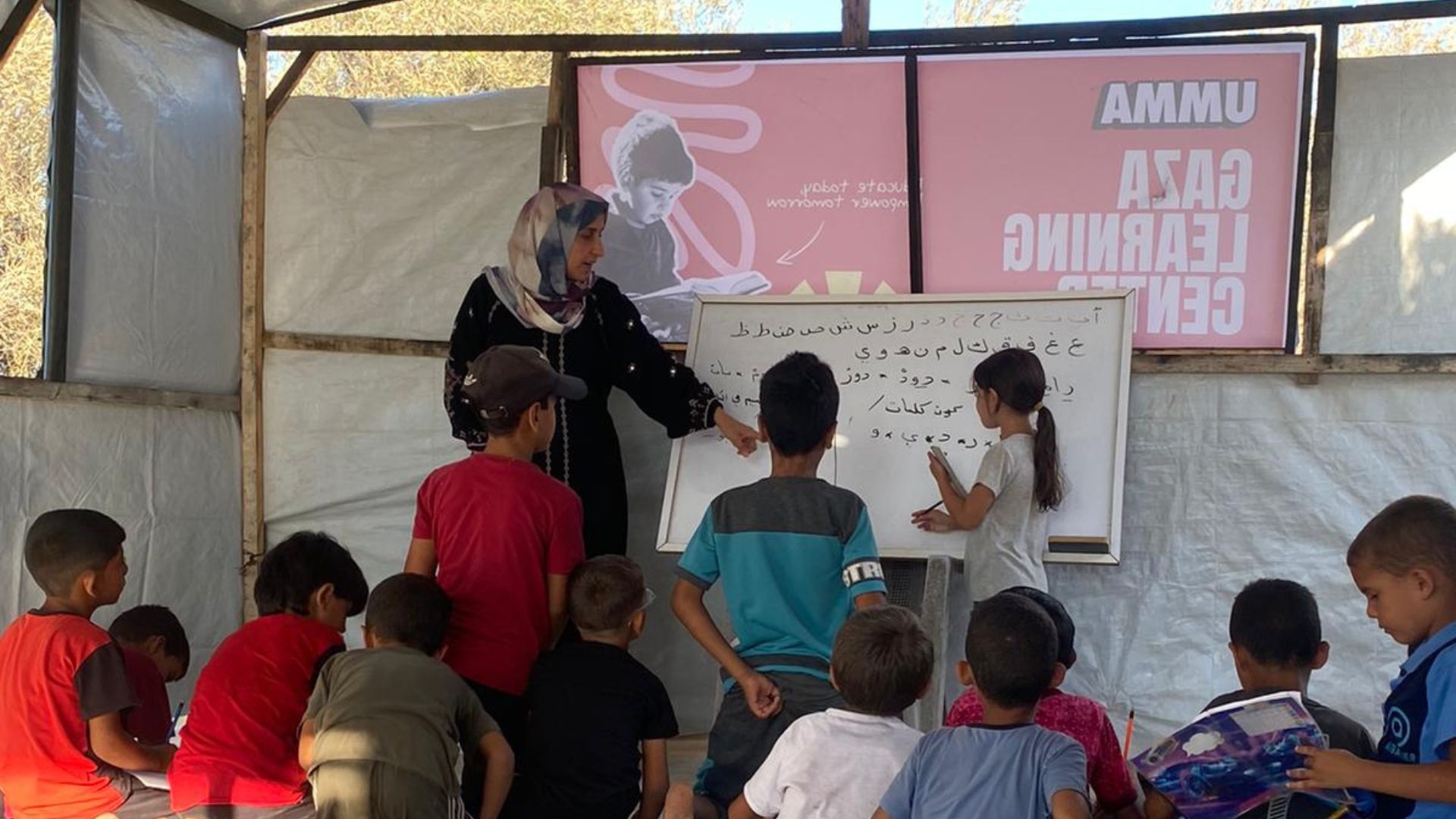
- Education initiatives
These programs help communities move from survival → stability → independence
FAQ: How Humanitarian Aid Works
How is humanitarian aid distributed?
Aid is distributed through verified systems involving local teams, beneficiary lists, and direct delivery to families.
What percentage of donations goes to aid?
This varies by organization, but transparent charities clearly show how funds are allocated between programs and operations.
How long does it take for aid to reach people?
In emergency situations, aid can reach families within days. In complex regions, it may take longer due to logistics and access challenges.
Is aid delivered directly to families?
Yes, reputable organizations prioritize direct distribution to ensure impact and minimize loss.
Why Your Donation Matters
Your donation is not just a transaction.
It is:
- A meal for a hungry family
- Medicine for a sick child
- Relief for someone in crisis
👉 Support life-saving work today:
https://www.ummafoundation.org/donate