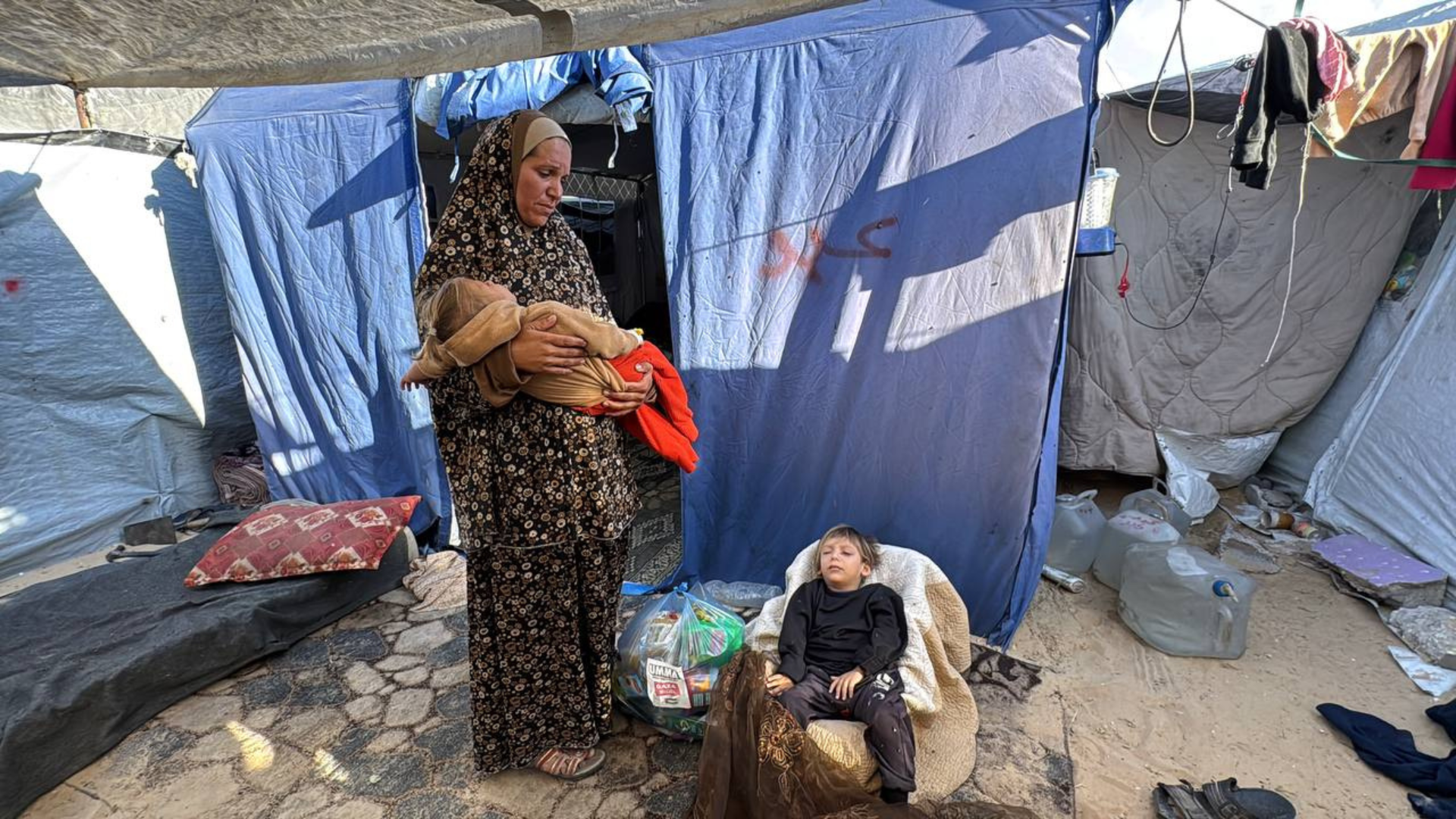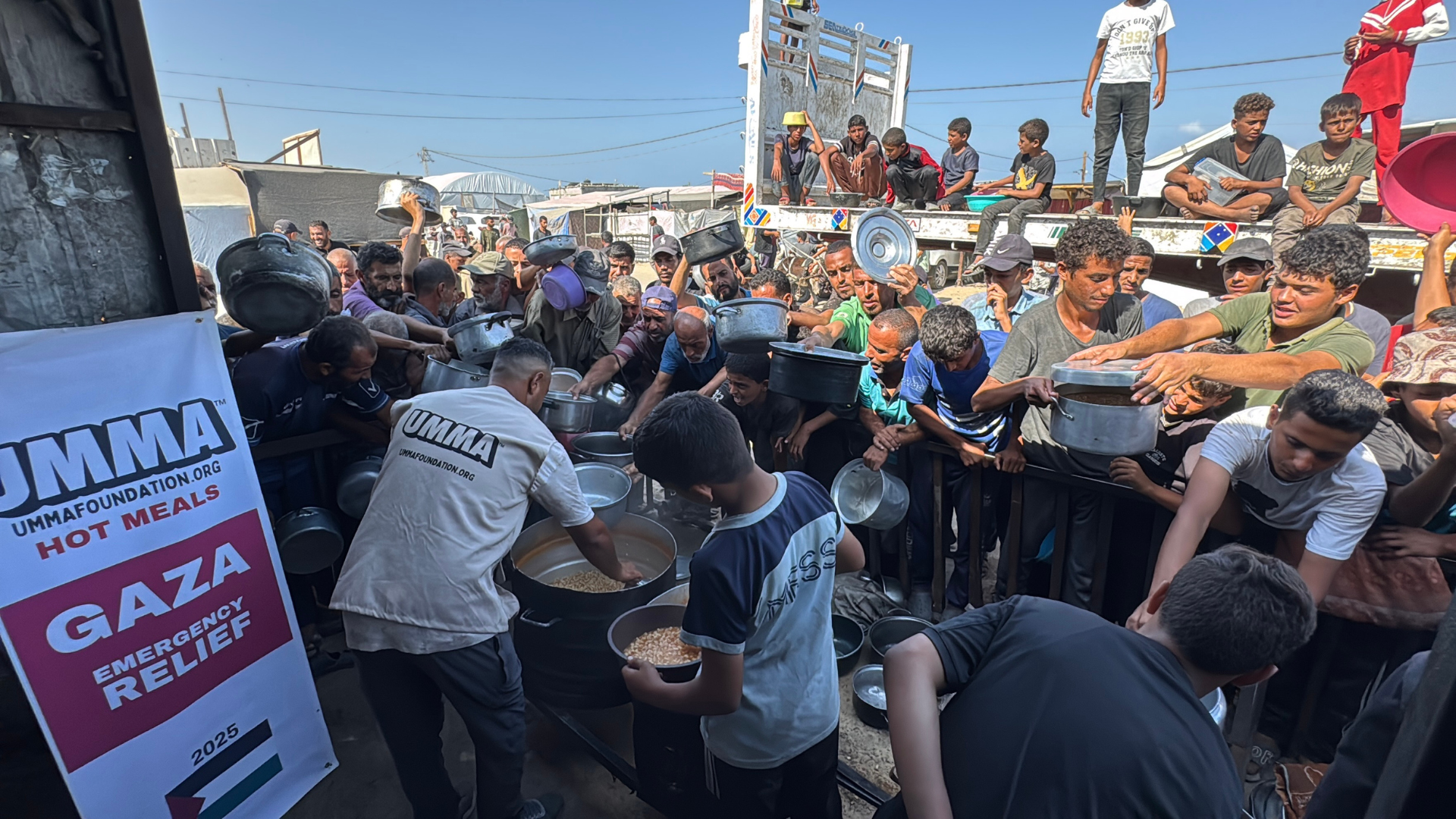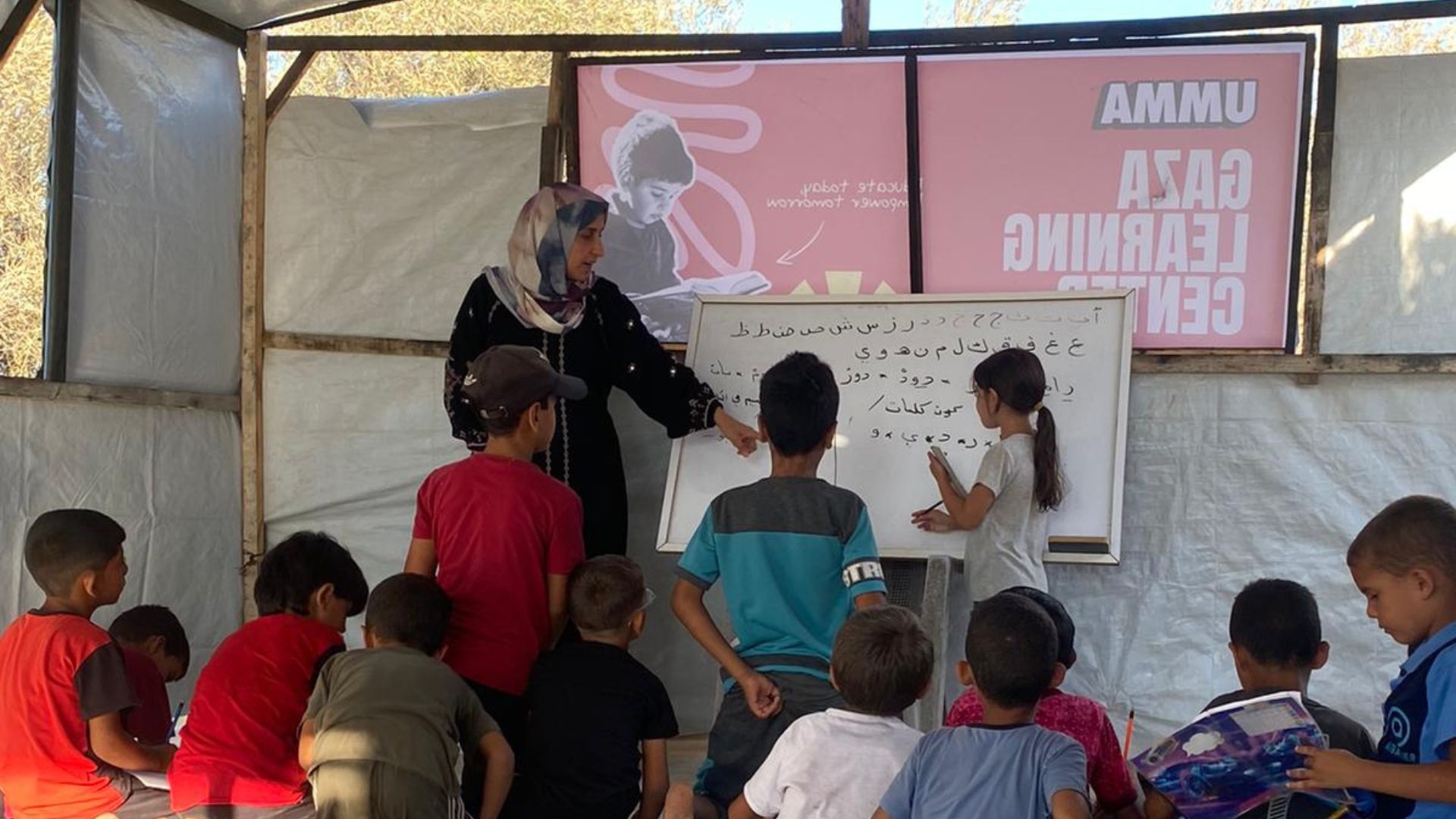
When people think about humanitarian crises, they often picture hunger, displacement, or medical emergencies.
But there is another crisis that receives far less attention:
👉 Education.
For millions of children living through conflict, natural disasters, and displacement, school is often one of the first things lost and one of the last things restored.
The impact of war on education extends far beyond missed lessons. It affects future opportunities, economic stability, mental health, and entire generations.
Understanding what happens to education during humanitarian crises helps explain why learning is not a luxury—it is an essential part of recovery.
How Does War Affect Education?
Conflict disrupts nearly every aspect of a child's learning environment.
Schools may be damaged, teachers displaced, and families forced to flee their homes.
As a result, children often experience:
- School closures
- Interrupted learning
- Lack of educational materials
- Unsafe learning environments
- Psychological stress
In many humanitarian crises, education systems can take years to recover.
Why Do Children Stop Going to School During Conflict?
One of the most common consequences of war is educational disruption.
Children may stop attending school because:
Schools Become Unsafe
Educational facilities may be damaged, inaccessible, or located in dangerous areas.
Parents often prioritize safety over attendance, especially during periods of active conflict.
Families Are Displaced
When families are forced to leave their homes, education is frequently interrupted.
Many displaced children spend months—or even years—without consistent access to schooling.
Economic Hardship
Humanitarian crises place enormous financial pressure on families.
Children may be required to work, help support household needs, or care for younger siblings instead of attending school.
What Happens When Schools Close?
The closure of schools creates immediate and long-term consequences.
In the short term:
- Learning stops
- Academic progress slows
- Social development is disrupted
In the long term:
- Graduation rates decline
- Employment opportunities decrease
- Poverty cycles become harder to break
Education provides more than academic knowledge—it creates structure, stability, and hope during uncertain times.
How Does Displacement Affect Education?
Displacement is one of the biggest barriers to learning.
Refugee and internally displaced children often face:
- Limited school availability
- Language barriers
- Lack of documentation
- Transportation challenges
- Overcrowded classrooms
Even when educational opportunities exist, accessing them can be difficult.
This is why humanitarian organizations increasingly include education as part of emergency response efforts.
The Long-Term Impact of Lost Education
The effects of educational disruption do not end when a crisis is over.
Research consistently shows that children who miss years of schooling are more likely to face:
- Lower lifetime earnings
- Higher unemployment
- Increased vulnerability to poverty
- Reduced access to higher education
Entire communities can experience lasting setbacks when education systems collapse.
This is why restoring learning opportunities is critical to long-term recovery.
Why Education Matters During Emergencies
Some people assume food, shelter, and healthcare should always come before education.
While those needs are essential, education serves several important functions during crises.
Education helps:
Create Stability
School provides routine and structure when life feels uncertain.
Support Mental Health
Learning environments offer emotional support and social connection.
Protect Children
Schools can provide safe spaces and reduce risks associated with exploitation and child labor.
Build Future Resilience
Education equips children with the knowledge and skills needed to rebuild communities after crises.
How Humanitarian Organizations Support Education
Many humanitarian organizations now recognize education as a core component of emergency response.
Support may include:
- Temporary learning spaces
- School supplies
- Teacher training
- Digital learning resources
- School rehabilitation projects
Organizations such as the UMMA Foundation understand that investing in education is an investment in long-term recovery and community resilience.
👉 Learn more about UMMA Foundation's humanitarian work:
https://ummafoundation.org/
The Role of NexGen in Building Future Leaders
Education is one of the most powerful tools for breaking cycles of poverty and instability.
Programs such as the NexGen Program help create opportunities for future generations through education, leadership development, and community empowerment.
By investing in young people today, communities can build stronger futures tomorrow.
👉 Learn more about the NexGen Program:
https://ummafoundation.org/nexgen
How Education Connects to Other Humanitarian Challenges
Education does not exist in isolation.
Children struggling with:
- Hunger
- Displacement
- Lack of healthcare
- Conflict-related trauma
often face greater educational barriers.
👉 Discover how humanitarian aid is delivered:
https://ummafoundation.org/post/how-humanitarian-aid-is-delivered
These interconnected challenges demonstrate why holistic humanitarian support is so important.
Frequently Asked Questions
How does war affect education?
War disrupts schools, displaces families, and creates unsafe learning environments, making it difficult for children to continue their education.
Why is education important during humanitarian crises?
Education provides stability, emotional support, protection, and long-term opportunities for children affected by emergencies.
What is education in emergencies?
Education in emergencies refers to organized learning opportunities provided during crises, conflicts, and disasters to ensure children can continue their education.
Can displaced children attend school?
Yes, but access often depends on resources, infrastructure, and humanitarian support. Many displaced children face significant barriers to learning.
Final Thoughts
Humanitarian crises affect far more than immediate survival.
They influence the future of entire generations.
When children lose access to education, communities lose opportunities for growth, resilience, and recovery.
Supporting education during emergencies helps ensure that children not only survive crises—but have the opportunity to thrive beyond them.