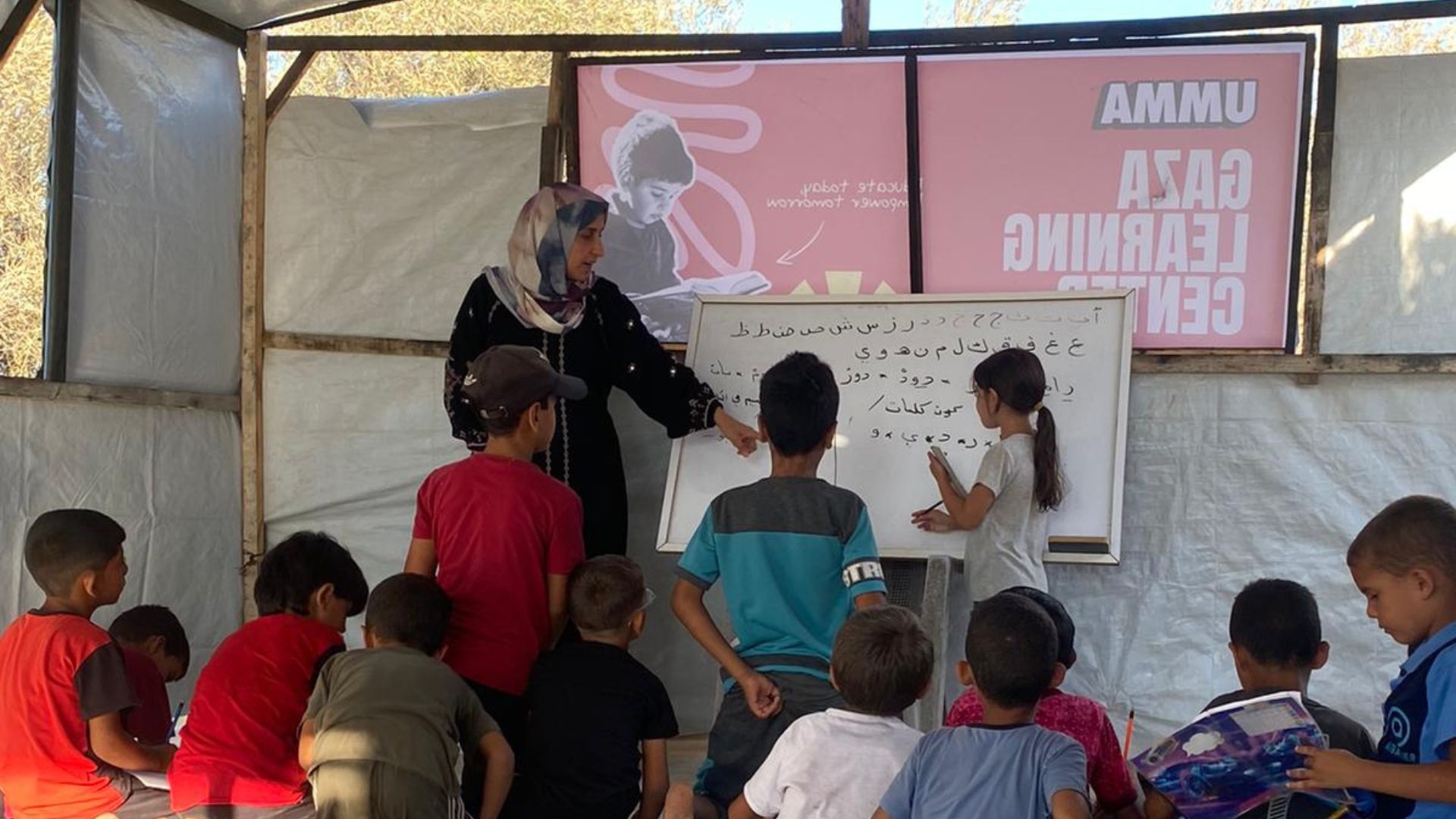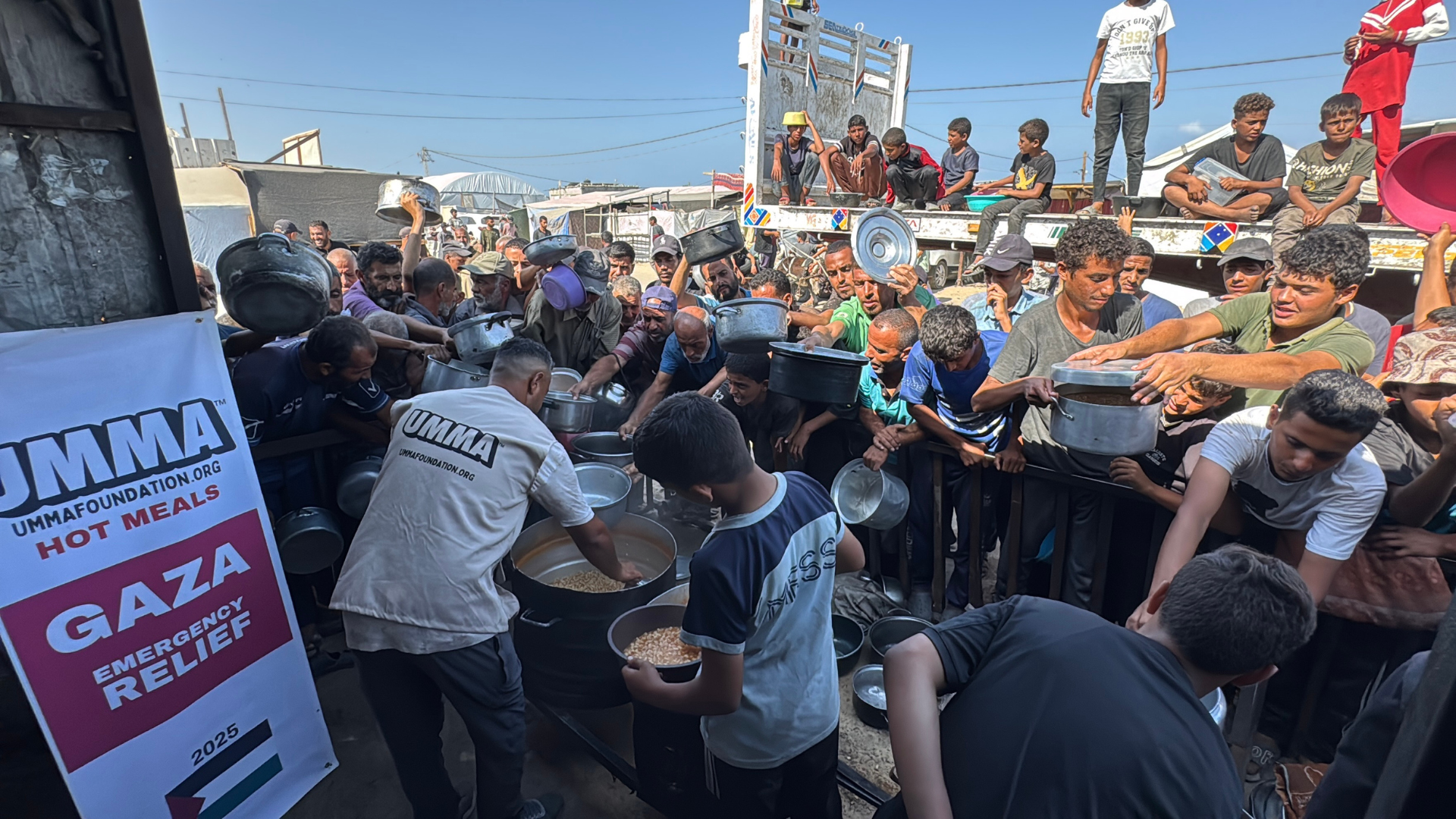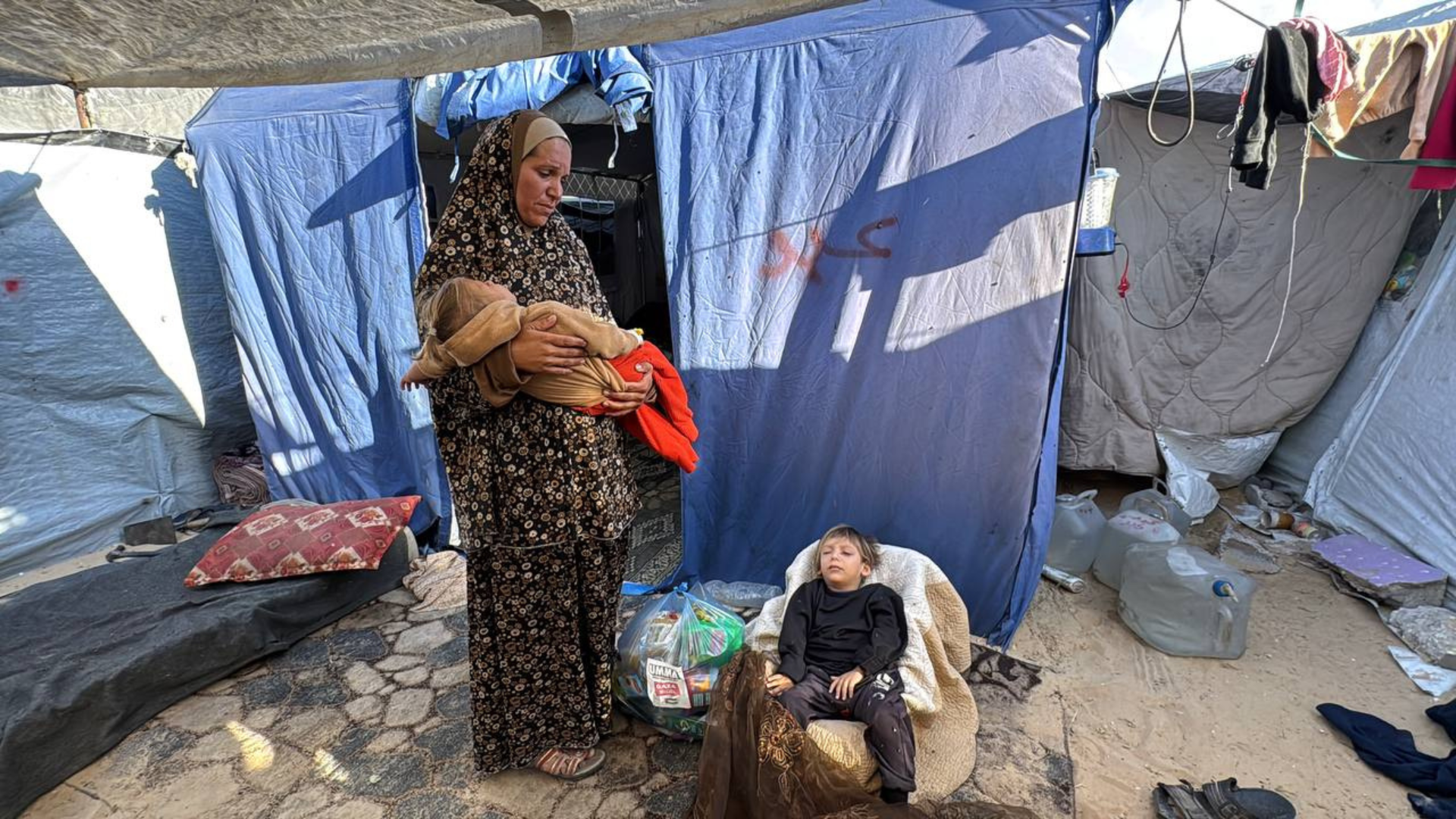
Every day, people around the world are exposed to images of war, hunger, displacement, and suffering.
From Gaza and Sudan to Yemen and beyond, humanitarian crises dominate headlines and social media feeds.
At first, many people feel shock, empathy, and urgency.
But over time, something changes.
People begin scrolling past the stories they once stopped to read. Emotional reactions become weaker. Compassion turns into exhaustion.
This emotional response has a name:
👉 Compassion Fatigue
Understanding compassion fatigue is important because it affects not only individuals—but also humanitarian awareness, public response, and support for people living through crises.
What Is Compassion Fatigue?
Compassion fatigue is a form of emotional exhaustion that happens when people are repeatedly exposed to suffering, tragedy, or distressing news.
It can lead to:
- emotional numbness
- helplessness
- reduced empathy
- avoidance of crisis-related content
While compassion fatigue is often discussed among healthcare workers and aid professionals, it increasingly affects the general public due to constant exposure to global crises online.
Why Humanitarian Crises Feel Overwhelming
Modern media exposes people to more suffering than ever before.
Within minutes, someone can see:
- war footage
- famine images
- displaced families
- natural disasters
- humanitarian emergencies
The human brain was never designed to process this level of constant emotional intensity every day.
Eventually, many people emotionally disengage as a form of psychological self-protection.
Social Media and Crisis Overload
Social media has changed how people experience humanitarian crises.
While platforms increase awareness, they also create:
- nonstop exposure
- emotional overload
- rapid news cycles
- desensitization
When crises become part of daily scrolling, people may begin feeling:
👉 “There’s too much suffering to process.”
This can reduce engagement—even among people who genuinely care.
Signs of Compassion Fatigue
Compassion fatigue affects people differently, but common signs include:
- avoiding humanitarian news
- emotional numbness
- feeling hopeless about global problems
- guilt for not helping more
- burnout from constant crisis exposure
This does not necessarily mean someone lacks empathy.
Often, it means they are emotionally overwhelmed.
Why Compassion Fatigue Matters
Compassion fatigue has real-world consequences.
When public attention fades:
- humanitarian crises receive less support
- donations decline
- awareness decreases
- vulnerable communities become more isolated
The reality is:
👉 Families affected by war, hunger, and displacement still need help—even when headlines disappear.
Humanitarian Crises Do Not End When Media Attention Fades
Many crises continue long after media coverage slows down.
Communities in regions affected by:
- conflict
- food insecurity
- displacement
- economic collapse
may struggle for years after global attention moves elsewhere.
👉 Learn more about food insecurity during conflict:
https://www.ummafoundation.org/post/what-causes-food-insecurity-in-war-zones
How People Can Respond in Healthy Ways
Compassion fatigue does not mean people should ignore suffering.
Instead, it highlights the importance of:
- balanced awareness
- sustainable giving
- meaningful action
- emotional boundaries
Small actions still matter:
- supporting trusted organizations
- sharing awareness responsibly
- helping consistently instead of emotionally reacting once
Why Consistent Support Matters More Than Viral Moments
Humanitarian aid is not only needed during breaking news events.
Communities require:
- long-term food support
- medical care
- clean water
- rebuilding efforts
Consistent support often creates more impact than temporary attention spikes.
👉 Explore ongoing humanitarian efforts:
https://www.ummafoundation.org/campaigns
Compassion in Islam
In Islam, compassion and mercy are foundational values.
Acts such as:
- Sadaqah
- helping the vulnerable
- feeding the hungry
- supporting those in hardship
are deeply encouraged.
Even small acts of kindness carry meaning.
👉 Read more about effective charitable giving:
https://www.ummafoundation.org/post/where-is-sadaqah-best-given
Humanitarian Awareness Requires Balance
Staying informed matters.
But people also need emotional balance to avoid burnout.
Healthy humanitarian engagement means:
- staying compassionate without emotional collapse
- supporting sustainably
- understanding that every contribution matters
❓ FAQ: Compassion Fatigue Explained
What is compassion fatigue?
Compassion fatigue is emotional exhaustion caused by repeated exposure to suffering, crises, or traumatic events.
Why do people stop responding to humanitarian crises?
Constant exposure to distressing news can overwhelm people emotionally, leading to numbness or disengagement.
Is compassion fatigue normal?
Yes. It is a common psychological response to prolonged emotional stress and crisis exposure.
How can people avoid compassion fatigue?
Setting healthy media boundaries, taking breaks, and focusing on meaningful action instead of constant exposure can help.
❤️ Final Thoughts
Humanitarian crises are not just headlines.
Behind every story are real families, children, and communities trying to survive.
Compassion fatigue reminds us that while the human mind can become overwhelmed, meaningful action still matters.
Even small acts of awareness, generosity, and compassion can make a difference.
🤲 Support Meaningful Humanitarian Work
Humanitarian support helps provide:
- food assistance
- medical care
- emergency relief
- long-term recovery
👉 Learn more about ongoing humanitarian efforts:
https://www.ummafoundation.org/