A Crisis the World Is Not Seeing
In conflict-stricken regions across Sudan — including Darfur, Kordofan, and the White Nile — a silent catastrophe is unfolding. Children are dying not from bullets or bombs, but from something far quieter:
Hunger. Wasting. Untreated illness.
While global attention focuses on front-line clashes, the real emergency is happening in makeshift shelters, remote villages, and displacement camps where children are wasting away in silence. With humanitarian access blocked and supply chains collapsed, Sudan is experiencing one of the most underreported hunger emergencies of 2025.
This is the story the world needs to hear — and the one Umma Foundation refuses to ignore.
What Is Causing Child Malnutrition to Surge in Sudan?
Conflict Cuts Children Off From Food — Completely
In many parts of Sudan, fighting has forced families to abandon their farms, shops, livestock, and harvests. Markets have burned. Roads have been mined. Entire communities have been displaced.
For millions of children, this means:
- No daily meals
- No clean water
- No access to milk or nutritious foods
- No medical care when illness strikes
Even families who had stable livelihoods before the war are now relying on leaves, foraged roots, or shared scraps to survive.
The Hidden Hunger: What Severe Malnutrition Really Means
One of the most devastating consequences of conflict is Severe Acute Malnutrition (SAM) — a condition where a child’s body essentially shuts down due to lack of nutrients.
Children suffering from SAM experience:
- Rapid weight loss
- Lethargy and inability to walk
- Weakened immune systems
- Higher risk of deadly infections
- Permanent developmental damage
And without treatment — typically Ready-to-Use Therapeutic Food (RUTF) and medical monitoring — the condition becomes fatal in days or weeks.
This is why community-based nutrition programs, early detection, and emergency feeding support are critical. But in Sudan, conflict has made this nearly impossible.
Why the Malnutrition Emergency Is Underreported
1. Humanitarian Access Is Severely Restricted
Aid organizations struggle to reach the areas where children need help most. Convoys are blocked, looted, or unable to travel due to active fighting. As a result, entire pockets of starving children remain invisible to the outside world.
2. Health Systems Have Collapsed
Clinics have run out of supplies, staff have fled, and hospitals are overwhelmed. Routine treatment for malnutrition — which is normally simple and inexpensive — has become impossible in many areas.
3. Families Are Displaced Multiple Times
A child who is screened for malnutrition today may be displaced again tomorrow. Families on the move cannot maintain treatment, making recovery nearly impossible.
4. The World Is Focused Elsewhere
Media coverage is dominated by larger geopolitical events. Sudan’s hunger crisis, despite its severity, gets little airtime, leaving donors unaware of the escalating emergency.
This “visibility gap” allows suffering to continue unchecked — and children to die without ever making the news.
How Malnutrition Leads to Child Deaths in Conflict Zones
The relationship between conflict and hunger is brutal and predictable:
Step 1: Violence prevents families from farming and earning
Step 2: Food supplies shrink → prices skyrocket
Step 3: Children stop eating nutritious food
Step 4: Illness strikes — diarrhea, fever, dehydration
Step 5: No clinic. No medicine. No food.
Step 6: Child becomes severely malnourished
Step 7: Body stops fighting infections
Step 8: Child dies of preventable causes
This is why child malnutrition is called a “silent killer” — it leaves no explosion, no smoke, no headlines.
Just grief.
Stories From the Field: The Faces Behind the Numbers
A Mother’s Walk for Survival
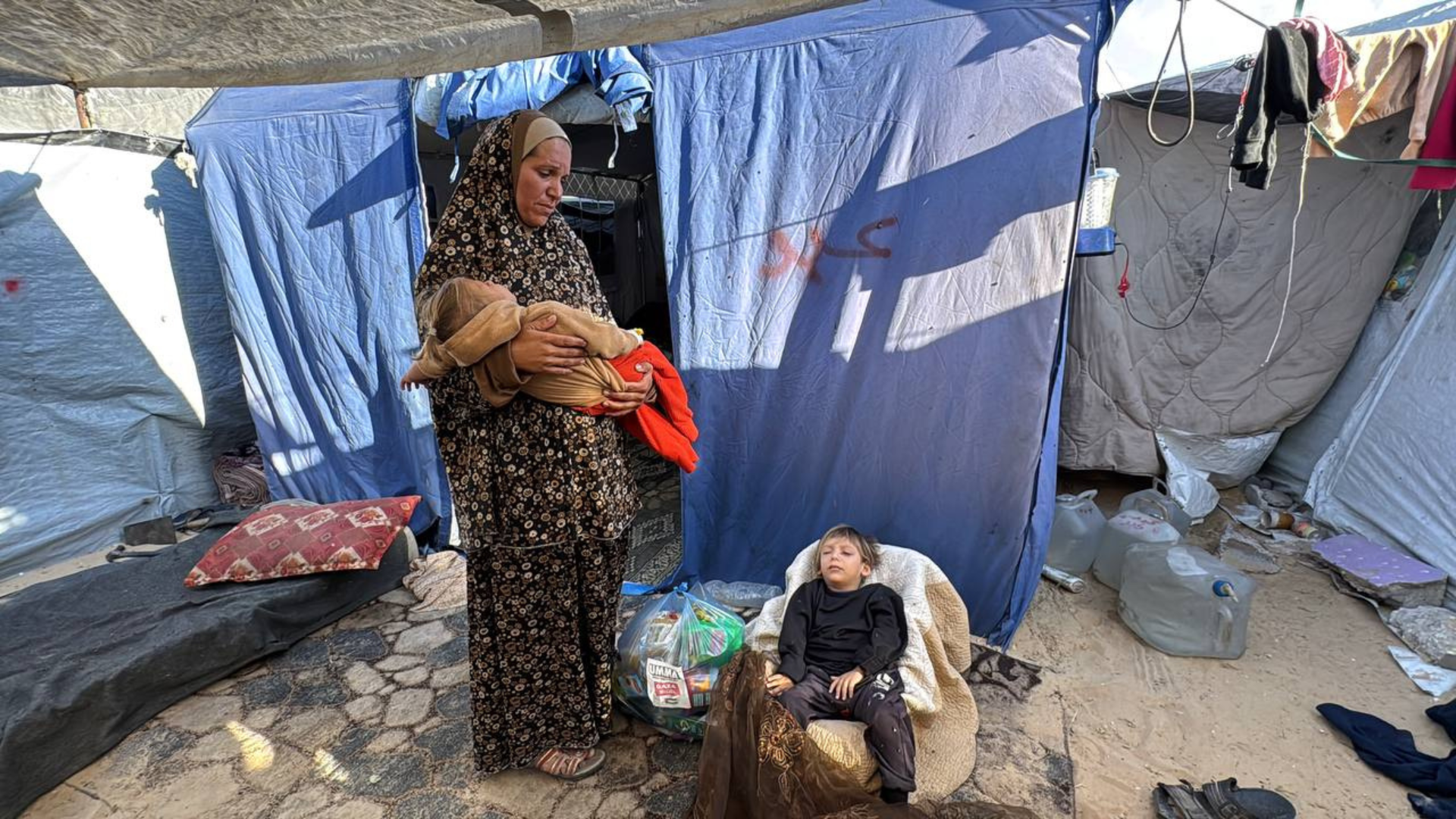
A mother in Kordofan recently walked for three days with her two children after their village was attacked. When she reached a displacement camp, her youngest — barely two years old — was too weak to stand. He had not eaten a full meal in days.
This story is not rare. It is the new normal.
A Child Too Sick to Cry
In Darfur, aid workers reported that some children arrive so malnourished, they no longer have the strength to cry.
This is the level of suffering that happens when food scarcity meets conflict, disease, and aid blockages.
Why This Crisis Should Concern the World
Child malnutrition is not only deadly — it is generational.
A child who suffers prolonged hunger may face:
- Lifelong stunting and impaired development
- Increased susceptibility to disease
- Higher risk of early death
- Reduced ability to learn
- Lost future earning capacity
Entire communities risk losing a generation.
This is not just a hunger crisis.
It is a future crisis.
Where Umma Foundation Steps In — A Lifeline When Others Cannot Reach
Despite the immense challenges, Umma Foundation continues delivering aid to the hardest-hit communities.
🍞 Emergency Bread Distribution
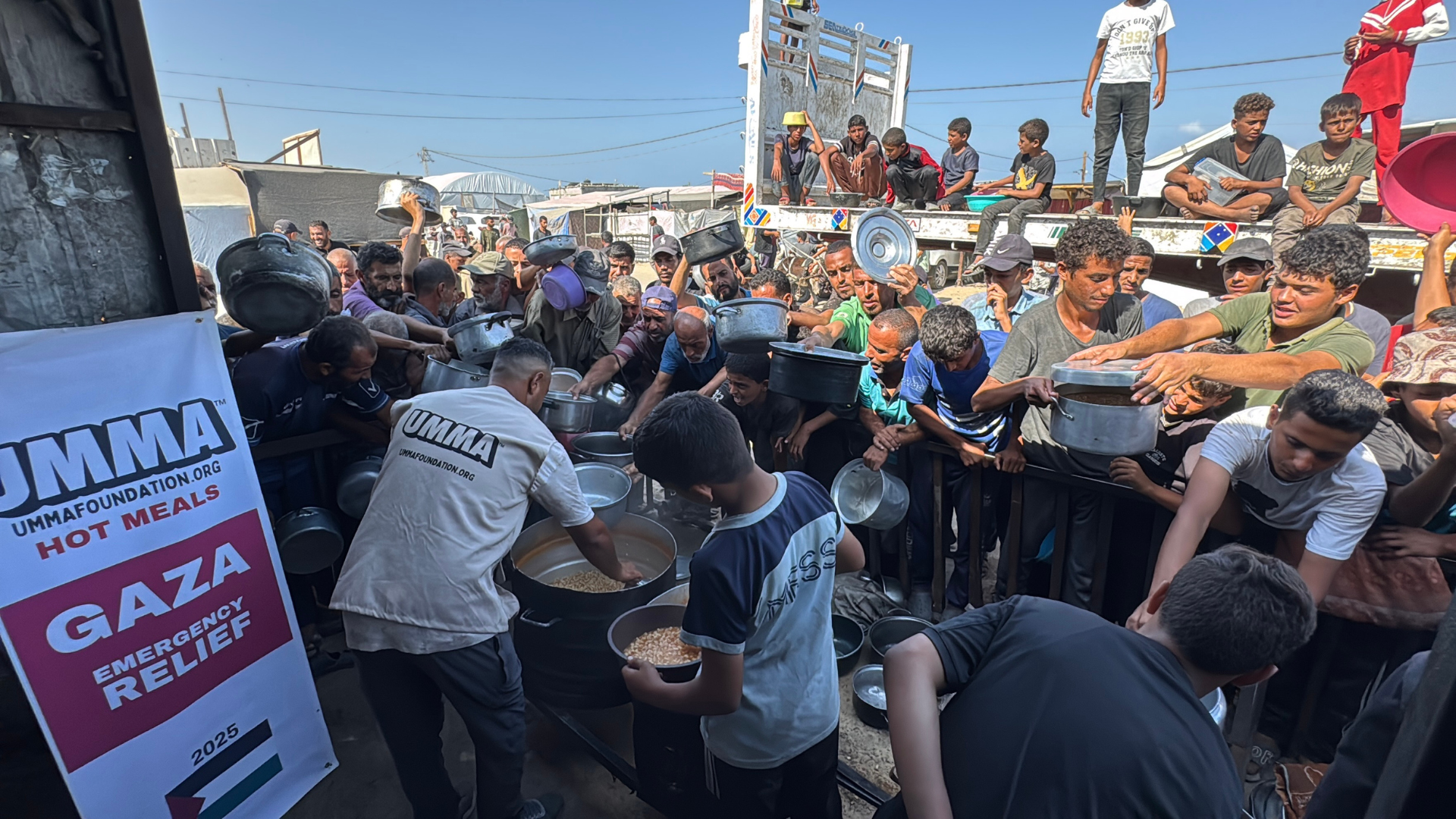
Daily distribution of fresh bread, flour, and essential staples keeps children alive when food markets collapse.
👉 https://www.ummafoundation.org/campaigns/daily-bread-for-sudan
🏥 Medical Aid for Malnourished Children
Providing access to emergency medical care, nutrition kits, and treatment for children suffering from wasting.
👉 https://www.ummafoundation.org/campaigns/urgent-medical-care-for-yemens-children
💧 Clean Water & Hygiene Access
Malnourished children are extremely vulnerable to waterborne diseases. Clean water saves lives.
🤝 Partnering With Local Communities
Umma Foundation collaborates with mosques, community leaders, donors, and organizations to expand reach.
👉 https://www.ummafoundation.org/become-a-partner
📘 Learn More About Our Mission
👉 https://www.ummafoundation.org/our-story
What Needs to Happen Next
1. Immediate Food Access
Food aid, therapeutic nutrition, and emergency feeding programs must reach children quickly.
2. Medical Support for Malnutrition Cases
Children need access to medicine, RUTF packets, and trained health workers.
3. Re-establish Safe Humanitarian Corridors
Aid must be able to enter conflict areas without threat.
4. Global Awareness — Now
The crisis stays deadly when the world ignores it.
Conclusion: A Child Should Not Die Because the World Was Silent
Conflict may spark crises — but silence is what allows them to grow.
Sudan’s children are not starving because help is impossible.
They are starving because the world is not seeing them.
But you see them. And your action matters.
Every donation helps feed a hungry child.
Every partnership expands our reach.
Every share spreads awareness.
Children in Sudan don’t need pity — they need food, medicine, and protection.
Together, we can give them that.
Take Action Today
✨ Help Feed a Child in Sudan
Your donation provides life-saving bread, food, and medical support.
👉 https://www.ummafoundation.org/?form=FUNLFLEDLRD
🤝 Partner With Us and Save Lives
Schools, mosques, businesses, and organizations can sponsor life-saving interventions.
👉 https://www.ummafoundation.org/become-a-partne