When people donate to charity, one question often comes to mind:
“Where does my money actually go?”
And closely tied to that question is another:
👉 “What is charity overhead?”
For many donors, overhead has become a source of confusion—and sometimes even distrust.
But here’s the truth:
👉 Overhead is not the enemy of impact.
In fact, understanding charity overhead explained properly can help you become a smarter, more confident donor.
What Is Charity Overhead?
Charity overhead refers to the operational costs required to run a nonprofit organization.
These are expenses that are not direct aid, but are essential for delivering that aid effectively.
They typically include:
- staff salaries
- logistics and transportation
- administrative costs
- fundraising expenses
- technology and systems
Without these, charities simply cannot function.
Does Overhead Mean Profit?
No.
This is one of the biggest misconceptions.
👉 Overhead does NOT mean profit.
Charities are nonprofit organizations. That means:
- they do not distribute profits to owners
- funds are reinvested into operations and programs
Overhead exists to enable impact, not extract value.
What Are Charity Overheads Used For?
To understand charity overhead explained, you need to see what these costs actually support.
1. Delivering Aid
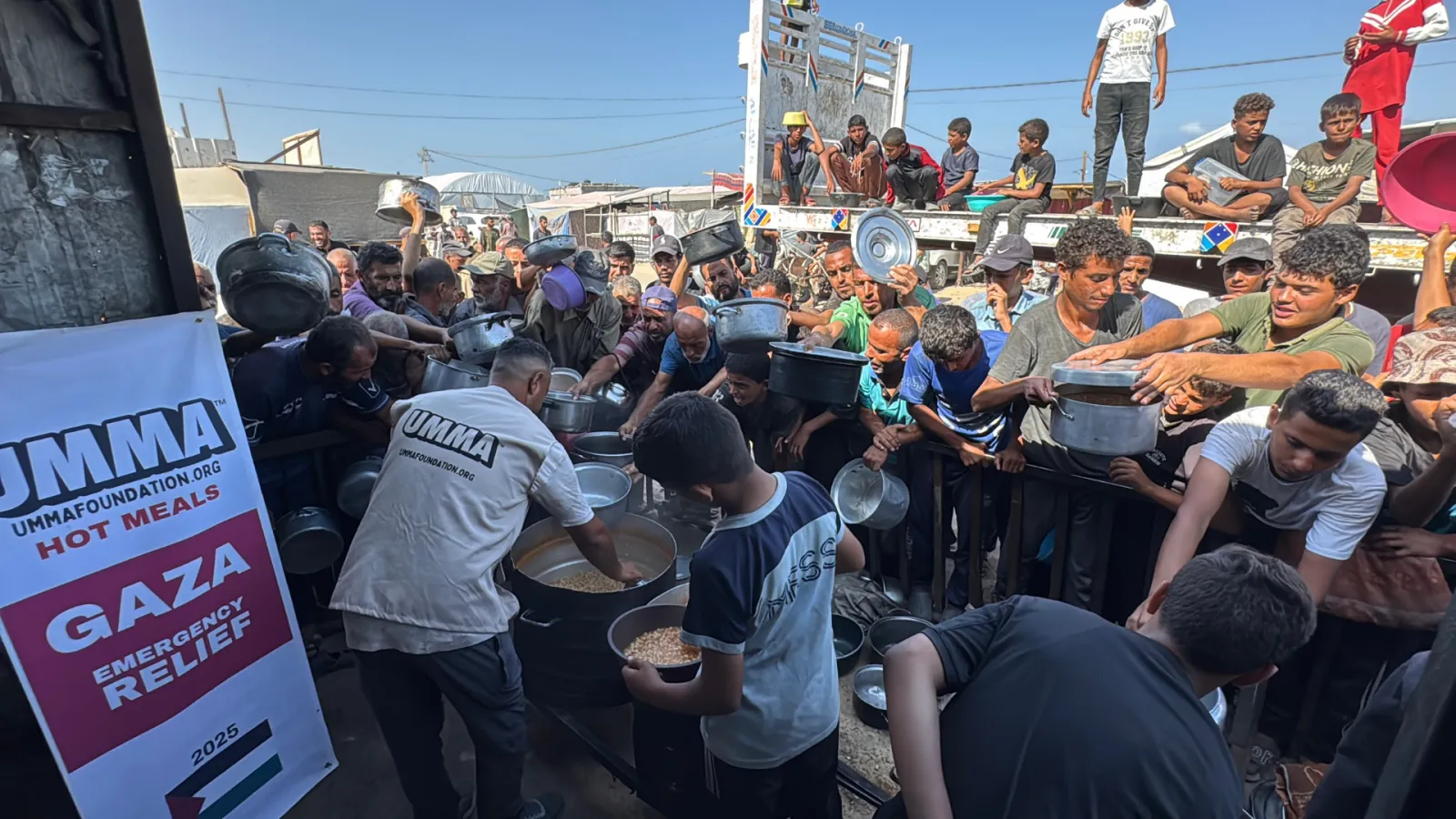
Transporting food, water, and medical supplies requires:
- vehicles
- fuel
- storage
- coordination
Without logistics, aid doesn’t reach people.
2. Staff and Field Teams
Humanitarian work depends on people:
- doctors and nurses
- aid workers
- coordinators on the ground
These individuals ensure that support reaches those who need it most.
3. Safety and Compliance
Operating in crisis zones requires:
- security measures
- compliance with regulations
- monitoring and reporting
These are critical to protecting both beneficiaries and staff.
4. Transparency and Accountability
Tracking donations requires:
- financial systems
- auditing processes
- reporting tools
👉 This is what allows donors to trust where their money goes.
📖 Learn more:
https://www.ummafoundation.org/disclosure/financial-disclosure
What Is a “Good” Charity Overhead Percentage?
This is where things get misunderstood.
You may have heard of the 80/20 rule, which suggests:
- 80% to programs
- 20% to overhead
But reality is more nuanced.
👉 A “good” overhead depends on:
- type of work
- location (conflict zones cost more)
- scale of operations
According to humanitarian standards, some overhead is necessary and healthy.
What Does 20% or 40% Overhead Mean?
Let’s break it down simply:
- 20% overhead → 80% goes directly to programs
- 40% overhead → 60% goes to programs
At first glance, lower seems better.
But here’s the truth:
👉 Extremely low overhead can sometimes mean:
- underpaid staff
- poor infrastructure
- limited scalability
👉 Healthy overhead allows:
- better delivery
- stronger systems
- greater long-term impact
Why Overhead Is Essential for Real Impact
Charities operating in complex environments—like Gaza, Yemen, or Sudan—face real challenges:
- damaged infrastructure
- supply chain disruptions
- security risks
Organizations like the World Food Programme highlight how logistics and operations are critical to delivering aid effectively.
👉 https://www.wfp.org/
And coordination through OCHA ensures humanitarian efforts reach the right populations.
👉 https://www.unocha.org/
👉 None of this is possible without overhead.
How Umma Foundation Approaches Overhead
At Umma Foundation, we recognize that every donation is a trust.
Our approach focuses on:
- maximizing aid delivery
- maintaining transparency
- ensuring efficient use of resources
- prioritizing impact for vulnerable communities
We work to balance:
👉 operational sustainability + humanitarian effectiveness
How to Evaluate a Charity Beyond Overhead
Instead of focusing only on percentages, ask:
- Is the charity transparent?
- Do they show real impact?
- Do they operate in high-need areas?
- Do they provide clear reporting?
👉 Overhead is just one piece of the puzzle.
How You Can Make a Real Impact
The best donations are not just about numbers—they are about impact.
👉 Support active humanitarian campaigns
https://www.ummafoundation.org/
🤝 Give Monthly to sustain life-saving aid
https://www.ummafoundation.org/?form=FUNLFLEDLRD
FAQ: Charity Overhead Explained
What is charity overhead?
It refers to operational costs needed to run a nonprofit effectively.
Is lower overhead always better?
Not necessarily. Extremely low overhead can limit effectiveness.
What is the 80/20 rule in charities?
It suggests 80% of funds go to programs, but it is not a strict standard.
Does overhead reduce impact?
No. Proper overhead supports better delivery and long-term impact.
Conclusion: Understanding Builds Trust
When donors understand charity overhead explained, something changes.
Fear becomes clarity.
Doubt becomes confidence.
Because the goal is not to eliminate overhead—
👉 It’s to ensure that every dollar creates meaningful impact.