What Causes Food Insecurity in War Zones?
Food insecurity is one of the most devastating consequences of war.
When conflict begins, entire food systems can collapse within weeks. Farms stop operating, supply chains break down, prices rise, and families suddenly lose access to basic necessities.
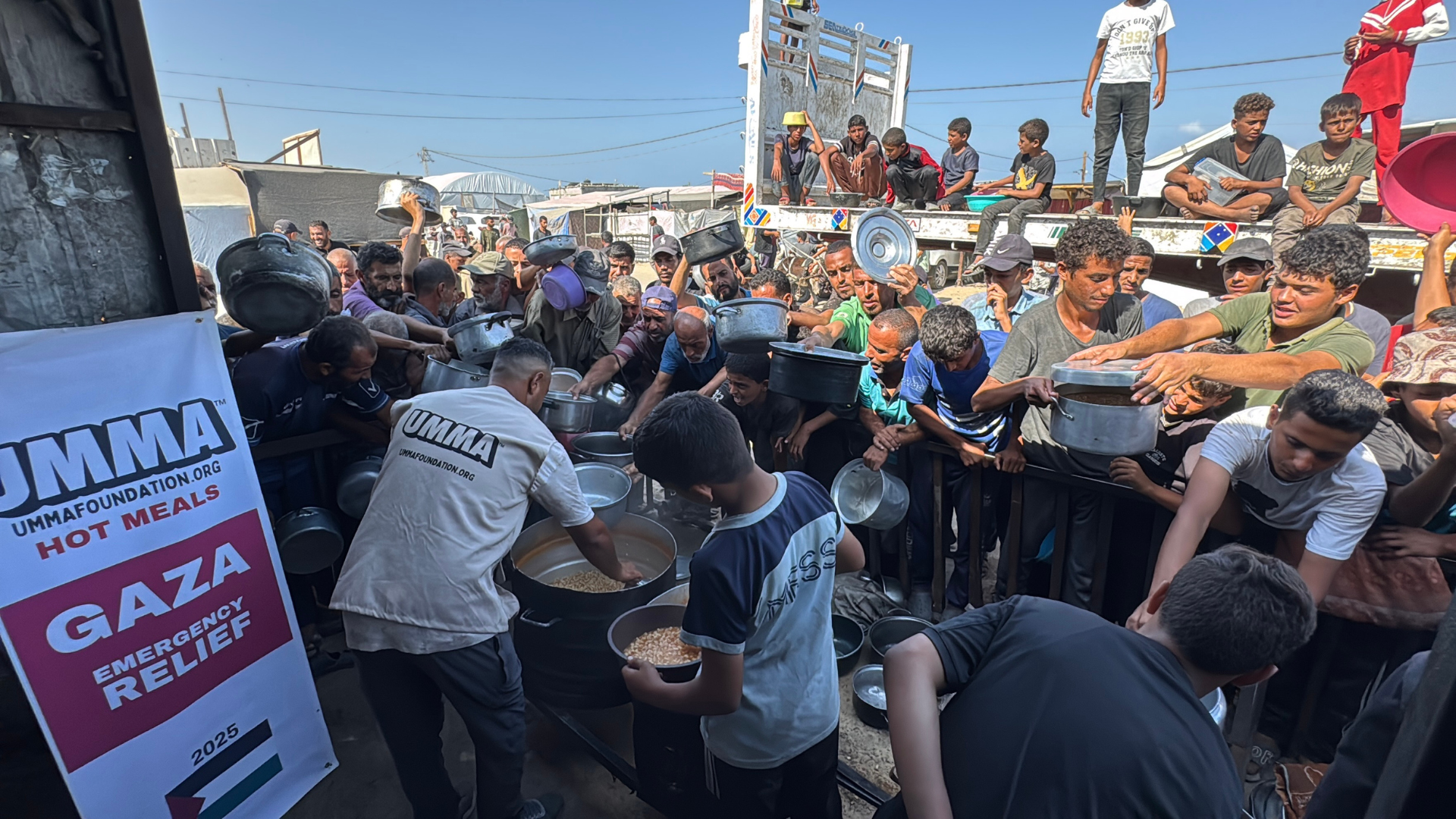
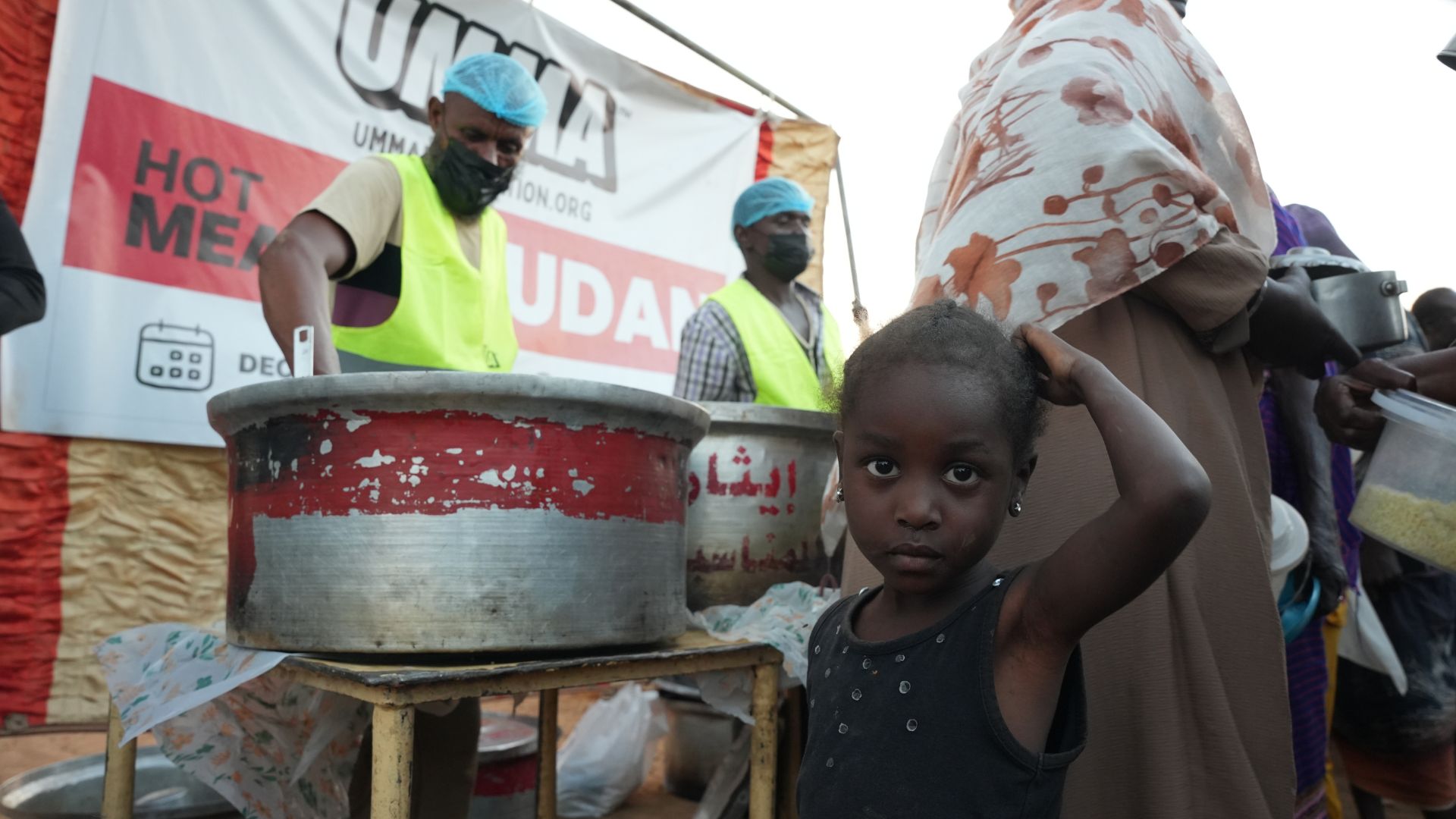
Today, millions of people in regions affected by war—including Gaza, Sudan, and Yemen—face severe hunger and malnutrition.
But what actually causes food insecurity in war zones?
Understanding the answer helps explain why humanitarian aid, food distribution, and emergency relief are critical during crises.
What Is Food Insecurity?
Food insecurity means people do not have reliable access to enough safe and nutritious food to live healthy lives.
This can range from:
- reduced meal portions
- skipping meals
- severe hunger
- famine conditions
In conflict zones, food insecurity can escalate rapidly because war affects every part of the food system.
How War Causes Food Insecurity
War creates hunger through multiple interconnected factors.
1. Supply Chains Collapse
One of the first things disrupted during conflict is transportation and logistics.
Roads become unsafe, borders close, and goods cannot move normally.
As a result:
- food shipments are delayed
- markets become empty
- essential supplies disappear
This is why humanitarian organizations often prioritize emergency food distribution during crises.
👉 Learn how aid reaches families:
https://www.ummafoundation.org/post/how-humanitarian-aid-is-delivered
2. Farms and Agriculture Are Disrupted
Conflict often destroys local food production.
Farmers may:
- flee their homes
- lose access to farmland
- lack fuel, water, or equipment
Without agriculture:
- local food availability drops
- dependence on aid increases
- prices rise dramatically
Long-term agricultural recovery can take years after conflict ends.
3. Prices Increase and Families Lose Income
War destabilizes economies.
Families may lose:
- jobs
- businesses
- savings
- access to banking systems
At the same time, food prices rise sharply because supplies become limited.
Even when food exists in markets, many families simply cannot afford it.
4. Water and Infrastructure Damage
Food insecurity is closely connected to water access.
When water systems are damaged:
- crops fail
- sanitation worsens
- disease spreads
This creates a cycle where hunger and illness reinforce each other.
👉 Learn more about global humanitarian challenges:
https://www.un.org/en/global-issues/food
5. Mass Displacement
Millions of people are forced to leave their homes during war.
Displaced families often:
- lose access to kitchens
- lose stored food
- depend entirely on aid
Refugee camps and temporary shelters frequently face food shortages due to overwhelming demand.
What Happens During Severe Food Insecurity?
As conditions worsen, communities may experience:
- child malnutrition
- dehydration
- weakened immune systems
- disease outbreaks
- increased mortality
Children are especially vulnerable because prolonged hunger affects both physical and cognitive development.
Why Food Aid Matters During War
Food aid becomes essential when local systems collapse.
Humanitarian organizations help by providing:
- bread distribution
- emergency food packages
- hot meals
- nutritional support for children
These programs help stabilize communities and prevent famine conditions from worsening.
👉 Explore humanitarian campaigns:
https://www.ummafoundation.org/campaigns
How Humanitarian Organizations Respond
Aid organizations work through:
- local partnerships
- food distribution centers
- emergency logistics networks
Their goal is simple:
👉 Get food to families as quickly and safely as possible.
Despite major obstacles, humanitarian aid can save thousands of lives during emergencies.
Long-Term Solutions to Food Insecurity
Emergency relief is critical—but long-term recovery matters too.
Sustainable solutions include:
- rebuilding agriculture
- restoring water systems
- supporting local economies
- investing in food production projects
Programs focused on sustainability help communities move from dependence to stability.
FAQ: Food Insecurity During War
What causes food insecurity in war zones?
War disrupts supply chains, agriculture, water systems, and local economies, making food difficult to access or afford.
Why does war lead to famine?
Conflict destroys food production and distribution systems while displacing populations and limiting humanitarian access.
Who is most affected by food insecurity?
Children, displaced families, elderly individuals, and low-income communities are often the most vulnerable.
How does humanitarian aid help hunger crises?
Aid organizations provide emergency food, clean water, and nutritional support to prevent starvation and stabilize affected communities.
❤️ Why This Matters
Food insecurity is not just about hunger.
It affects:
- health
- education
- dignity
- survival
For families living through conflict, access to food can mean the difference between life and death.
🤲 Help Support Families Facing Hunger
Humanitarian aid helps deliver food and emergency relief to vulnerable communities affected by crisis.
👉 Support humanitarian efforts today:
https://www.ummafoundation.org/